Jersey and pique fabric are not the same. They have different qualities that affect how clothes look and feel. Jersey fabric is soft and lightweight, making it perfect for comfortable, everyday wear. Pique fabric, on the other hand, has a textured, bumpy surface. Pique fabric is known for its durability and breathability, which makes it a popular choice for activewear and hot weather. Choosing the right fabric is important because each one works better for different uses and activities.
- Pique fabric is tough and allows air to circulate, which is helpful during hot days or when playing sports.
- Jersey fabric is soft and gentle, making it ideal for relaxed and casual outfits.
- The best fabric for you depends on your lifestyle and what you want from your clothing.
Jersey Fabric: Key Traits and Types
Distinctive Features and Characteristics of Jersey Fabric
Jersey fabric is known for being comfy and useful. It is made with a single-knit style. One side feels smooth, and the other side feels ribbed. This way of making it helps the fabric stretch easily. It can stretch about 20% to 40% across. The smooth side is good for putting designs on. The ribbed side helps air flow through.
Some main things about jersey fabric are:
- It feels soft and bends easily.
- The front is smooth and looks even.
- The back has lines that go across.
- It stretches well without extra elastic.
- It is light, usually between 120 and 300 grams per square meter.
- It lets air pass, so it is nice for T-shirts and summer clothes.
Jersey fabric can go back to its shape after you stretch it. You can tell the front and back apart by looking and touching. People use this fabric for many clothes like T-shirts, underwear, and socks.
Tip: Jersey fabric is a smart pick if you want clothes that feel soft and move with you.
The Manufacturing Process: How Jersey Fabric Is Made
Jersey fabric is made on round knitting machines. These machines use one row of needles to make yarn loops. The loops form a tube of fabric. The fabric is pulled down from inside the machine. This way is easy and does not cost much. That is why jersey fabric is cheaper than some other knits.
You can use different fibers to make it, like cotton, polyester, wool, or mixes. Cotton makes the fabric soft and lets air in. Polyester makes it stretch more and last longer. Some jersey fabrics use green fibers like bamboo or Tencel. These are better for the planet.
Most Popular Types of Jersey Fabric and Their Unique Qualities
Jersey fabric comes in many kinds. Each kind has its own uses and special things. The table below shows the most common types and what makes them different:
| Type of Jersey Fabric | Properties and Uses |
|---|---|
| Single Jersey Knit | Light and used for T-shirts and men’s underwear. |
| Double Jersey Knit | Stronger and stretches more, used for sweatshirts, jackets, and hoodies. |
| Wool Jersey Knit | Soft, stretchy, and great for winter things like gloves and sweaters. |
| Cotton Jersey Knit | Soft, light, lets air in, used for T-shirts and kids’ clothes. |
| Stretch Jersey Knit | Stretches a lot, often used for women’s clothes. |
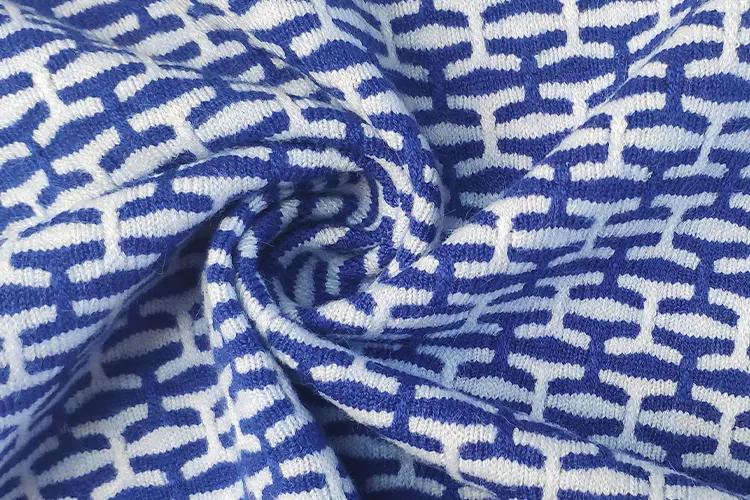
| Jacquard Jersey Knit | Can have cool patterns, used for fashion. |
| Slub Jersey Knit | Has a special feel from how it is made, looks different from other jersey fabrics. |
Jersey fabric is liked because it is soft, stretchy, and comfy. It is good for both everyday and sporty clothes. Some types, like wool jersey, keep you warm in cold weather. Cotton jersey is best for hot days. There are many kinds of jersey fabric, so you can find one for almost any kind of clothing.
Pique Fabric: Features and Uses
Key Features and Distinctive Qualities of Pique Fabric
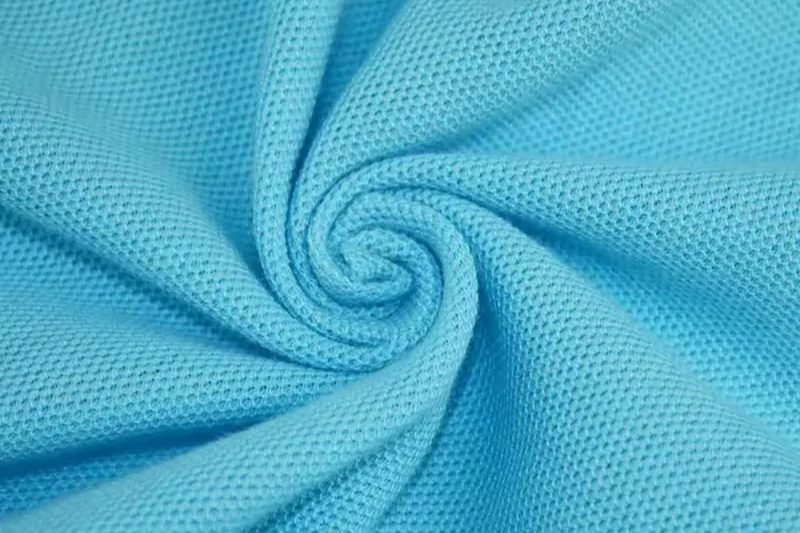
Pique fabric is easy to spot because of its special feel and look. It has a bumpy surface with tiny shapes like ribs or honeycombs. This bumpy feel comes from a double weave method. The fabric is strong and keeps its shape for a long time. It lets air move through, so it is comfy in hot weather.
Here is a table that lists the main things about pique fabric:
| Characteristic | Description |
|---|---|
| Texture and Appearance | Bumpy feel with lines or small shapes |
| Breathability and Comfort | Air pockets help keep you cool |
| Durability and Strength | Stays strong and does not wear out fast |
| Moisture-Wicking Ability | Pulls sweat away from your skin |
Pique fabric does not wrinkle much. It looks neat even after you wash it. That is why people use it for uniforms and polo shirts. The way it is made helps it stay crisp and tidy.
The fibers used change how the fabric works. Cotton makes it soft and lets air in. Polyester makes it stronger and helps stop wrinkles. Mixing cotton and polyester can make it last longer but may cause more pilling.
The Step-by-Step Process of How Pique Fabric Is Made
Pique fabric is made with a double weave or knit. Two sets of yarns are used. One set makes the base. The other set makes the raised shapes. Machines lift some yarns to make the bumpy surface. This way, the fabric gets tiny air pockets that help with breathability.
Different fibers can be used to make pique fabric. Cotton is picked for softness and comfort. Polyester or blends are used for extra strength and to stop wrinkles. The fiber you pick changes how the fabric feels and works.
Most Common Types of Pique Fabric and Their Typical Applications
Pique fabric is used in lots of clothes. The most popular use is for polo shirts. The fabric’s shape gives these shirts a smart look and keeps them cool. It is also used for sportswear, uniforms, and dress shirts.
| Garment | Why Pique is Used |
|---|---|
| Polo Shirts | Keeps its shape, lets air in, and looks classic |
| Sportswear | Pulls sweat away and keeps you cool |
| Casual & Dress Shirts | Adds a bumpy feel and looks nice |
| Uniforms | Strong, does not wrinkle, and looks neat |
- Polo shirts are the most well-known use for pique fabric.
- Sportswear and athleisure use it because it keeps you dry and cool.
- Uniforms and dress shirts use it because it is strong and stays neat.
- Dresses and skirts sometimes use pique fabric for extra texture and shape.
Pique fabric is a good pick if you want clothes that look nice, keep you cool, and last a long time.
Drape and Fit: Jersey vs. Pique
The way a fabric hangs and fits on the body is called its drape. Jersey fabric drapes softly. It follows the shape of your body and moves with you. Clothes made from jersey often look relaxed and casual. The fabric stretches, so it fits snugly without feeling tight. T-shirts and leggings use jersey because it gives a smooth, close fit.
Pique fabric drapes differently. It holds its shape and does not cling to the body. The fabric feels thicker and more structured. Shirts made from pique look crisp and neat. They do not stretch much, so they keep a classic, tailored look. Polo shirts and uniforms often use pique for this reason.
- Jersey drapes softly and hugs the body.
- Pique holds its shape and looks more formal.
If you want a relaxed fit that moves with you, choose jersey. If you prefer a shirt that keeps its shape and looks sharp, pick pique.
Both fabrics have their own style. Jersey is best for comfort and stretch. Pique is best for structure and a polished look.
Comfort And Breathability
Wearing Experience
How a fabric feels on your skin is important. It can change how much you like wearing it. Jersey and pique fabrics feel different when you wear them. Many people say jersey is soft and gentle. It feels smooth and bends easily. That is why people like it for T-shirts and clothes to relax in. Pique feels firmer and a little rougher. It keeps its shape and does not wrinkle much. This makes it a good pick for polo shirts and uniforms.
Here is a simple chart that shows how people talk about these fabrics:
| Fabric Type | Description | Characteristics |
|---|---|---|
| Jersey | Soft and comfortable | Smooth drape, pleasant feel on skin, versatile for many uses |
| Pique | Coarser and stiffer | Holds shape, resists creasing, breathable, good for sports |
Note: Many people like pique because it looks neat and stays in shape after washing. Some say jersey can shrink or stretch after some time, but they still love how comfy it is for daily use.
Airflow And Warmth
Breathability matters, especially in hot weather or when playing sports. Both jersey and pique let air move through, but in different ways. Pique has a bumpy weave with tiny holes that help air flow. This keeps you cool and helps sweat dry fast. Jersey also lets air in, mostly when made from cotton or thin yarns. It feels lighter and lets your skin breathe, but it might not dry sweat as quickly as pique.
Scientists use tools to check airflow and warmth in fabrics. Here are some main points:
- Airflow depends on how open the fabric is. More open weaves, like pique, let more air pass.
- Tests use set temperature and humidity to see how much air and heat go through the fabric.
- Thermal insulation shows how well a fabric keeps you warm. Jersey often feels warmer and softer, while pique feels cooler.
Moisture-wicking fabrics, like many pique blends, pull sweat off your skin and help it dry fast. This keeps you comfy when you exercise or on hot days.
How To Tell Them Apart
Knowing how to spot the difference between jersey and pique fabric helps you pick the right clothes. You do not need special tools. You can use your hands, eyes, and a few simple tricks at home.
1. Check the Texture
- Jersey feels smooth and soft. Run your fingers over the surface. It should feel flat and stretchy.
- Pique fabric feels bumpy or textured. You may notice tiny raised patterns, like small squares or honeycombs.
2. Look at the Appearance
- Hold the fabric up to the light. Jersey looks even and flat. Pique fabric shows a pattern or grid.
- Stretch the fabric gently. Jersey stretches more and snaps back. Pique fabric feels firmer and does not stretch as much.
3. Try the Bend Test
- Take a small part of the fabric and bend it. Jersey drapes and folds easily. Pique fabric holds its shape and feels thicker.
4. Read the Clothing Label
Most clothing labels tell you the fabric type. Look for words like “jersey knit” or “pique.” Labels may also list the fiber, such as cotton or polyester.
Tip: If you see “polo shirt” on the label, it is likely made from pique fabric.
5. At-Home Water Test
Place a drop of water on the fabric. Jersey absorbs water quickly and spreads out. Pique fabric may hold the drop on the surface for a moment because of its texture.
| Test | Jersey | Pique Fabric |
|---|---|---|
| Texture | Smooth, soft | Bumpy, patterned |
| Stretch | High | Low to medium |
| Drape | Flows, hugs body | Holds shape, structured |
| Water Absorption | Quick | Slower |
Learning these simple tests helps you tell jersey and pique fabric apart. You can use these tips when shopping or sorting your clothes at home.
Jersey and pique fabrics are different in how they feel and act. Jersey is soft and can stretch a lot. Pique feels bumpy and keeps its shape well. The table below shows how they are not the same:
| Feature | Pique Fabric | Jersey Fabric |
|---|---|---|
| Texture | Honeycomb or grid | Smooth and sleek |
| Elasticity | Stable, less stretch | More stretch |
| Structure | Crisp, business-like | Relaxed, T-shirt feel |
| Breathability | High, dries sweat fast | Moderate |
| Appearance | Structured, semi-formal | Casual, minimalist |
| Care | Keeps shape, resists wear | Needs gentle care |
Wear jersey if you want something comfy for every day. Choose pique for polo shirts or school uniforms. This chart can help you pick the right fabric for what you need.
FAQ
What is the main difference between jersey and pique fabric?
Jersey fabric feels smooth and stretches easily. Pique fabric has a bumpy texture and holds its shape well. Jersey works best for comfort. Pique is better for structure and breathability.
Can I use jersey and pique fabric for the same types of clothing?
Jersey is great for T-shirts, leggings, and underwear.
Pique is best for polo shirts, uniforms, and sportswear.
Each fabric suits different needs because of its feel and look.
Which fabric is easier to care for: jersey or pique?
| Fabric | Care Level | Notes |
|---|---|---|
| Jersey | Needs gentle care | May shrink or stretch |
| Pique | Easy to maintain | Keeps shape, resists wrinkles |
Pique usually needs less special care than jersey.
How can I tell if my shirt is made from jersey or pique?
- Touch the fabric. Jersey feels soft and flat. Pique feels bumpy.
- Look for patterns. Pique shows small grids or honeycombs.
- Check the label for the fabric name.