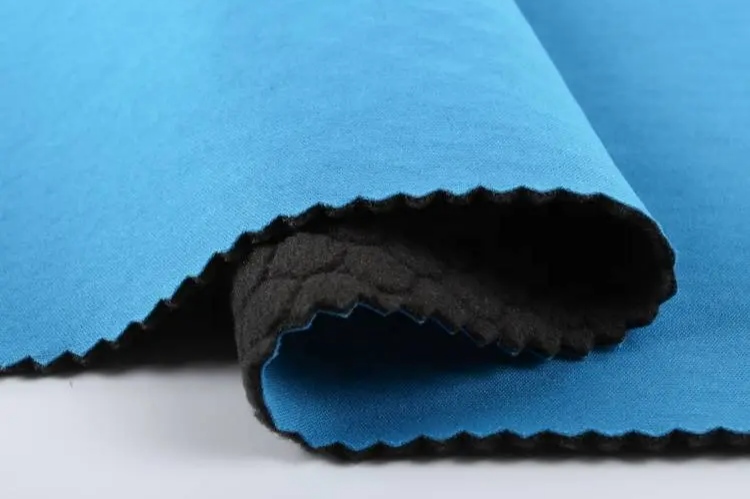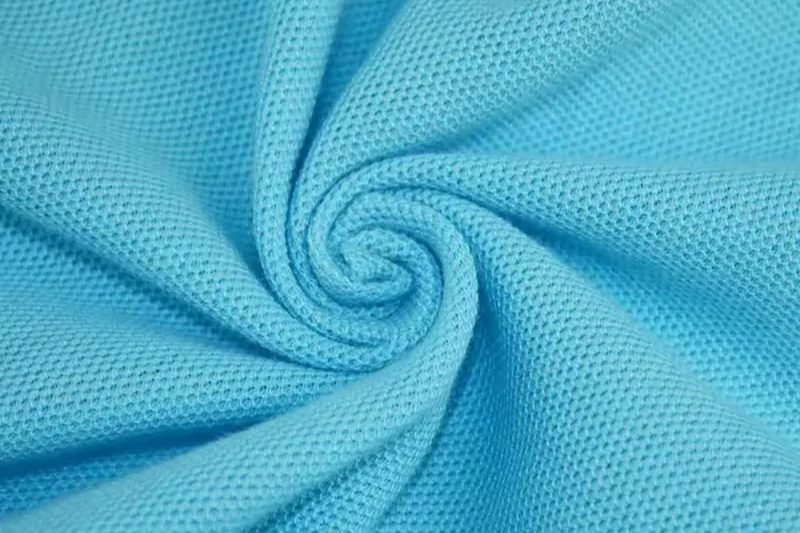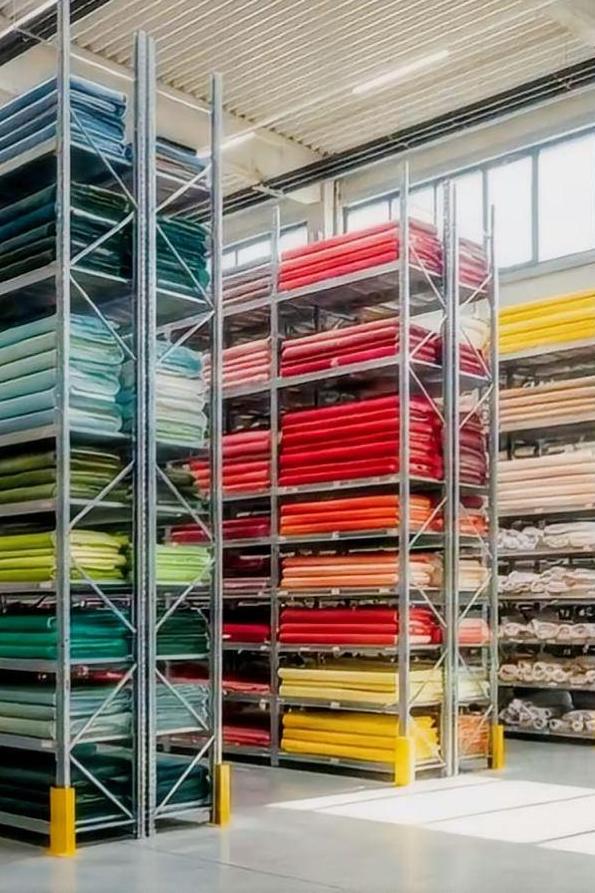
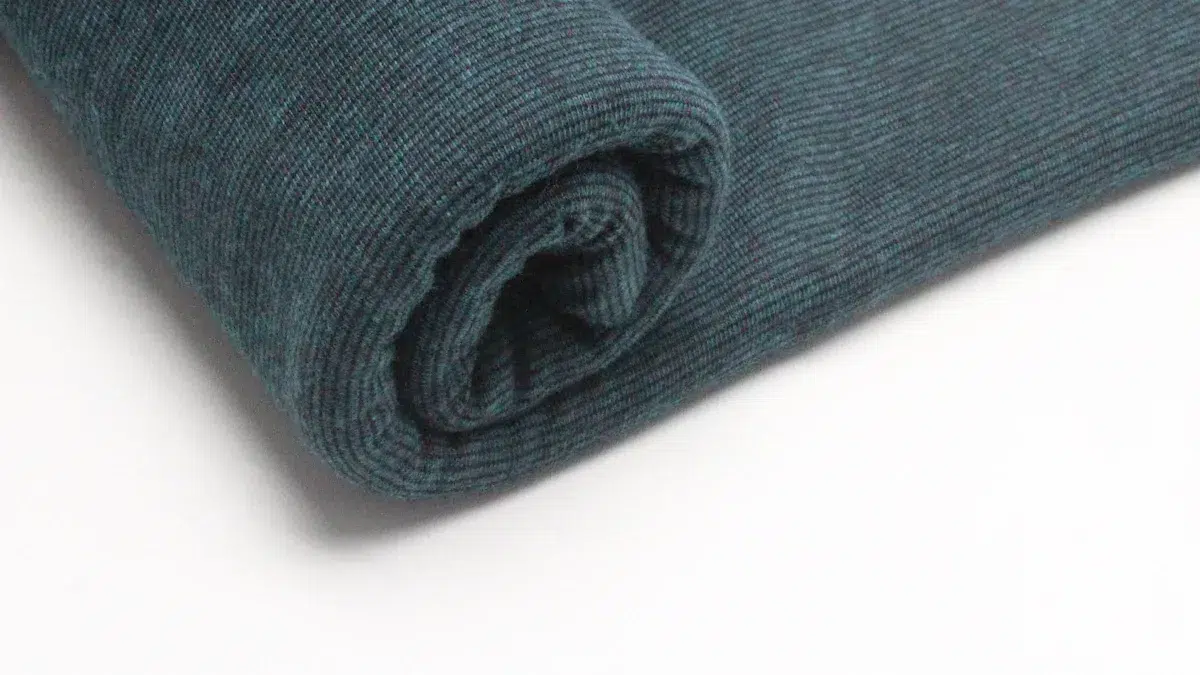
Recycled polyester fabric is created from old plastic bottles and used polyester clothing. This recycled polyester fabric helps reduce plastic waste by transforming it into new materials. It plays a key role in eco-friendly fashion because it repurposes items that might otherwise be discarded. By the end of 2024, recycled polyester fabric accounted for 12% of all polyester sold. Recycled fibers such as recycled polyester fabric made up 7.6% of all fiber produced worldwide. Choosing recycled polyester fabric benefits the planet and promotes sustainability.
Key Takeaways
- Recycled polyester fabric comes from old plastic bottles and used polyester clothes. This helps cut down on plastic trash.
- Picking recycled polyester uses less energy and makes less carbon. It is better for the planet than new polyester.
- To make recycled polyester, people collect, clean, and change waste into new fibers. This helps the environment.
- Recycled polyester is strong and works well like new polyester. It can be used for things like sports clothes and outdoor gear.
- When you buy recycled polyester, check for GRS and OEKO-TEX labels. These show it is safe and good for the environment.
What is recycled polyester fabric
Definition and sources
Recycled polyester fabric is made from old plastic bottles and used polyester clothes. These items are turned into new fibers. The fibers are then made into fabric by weaving or knitting. People often call this type of polyester rPET. It is eco-friendly because it uses plastic waste that already exists. This means it does not need new raw materials.
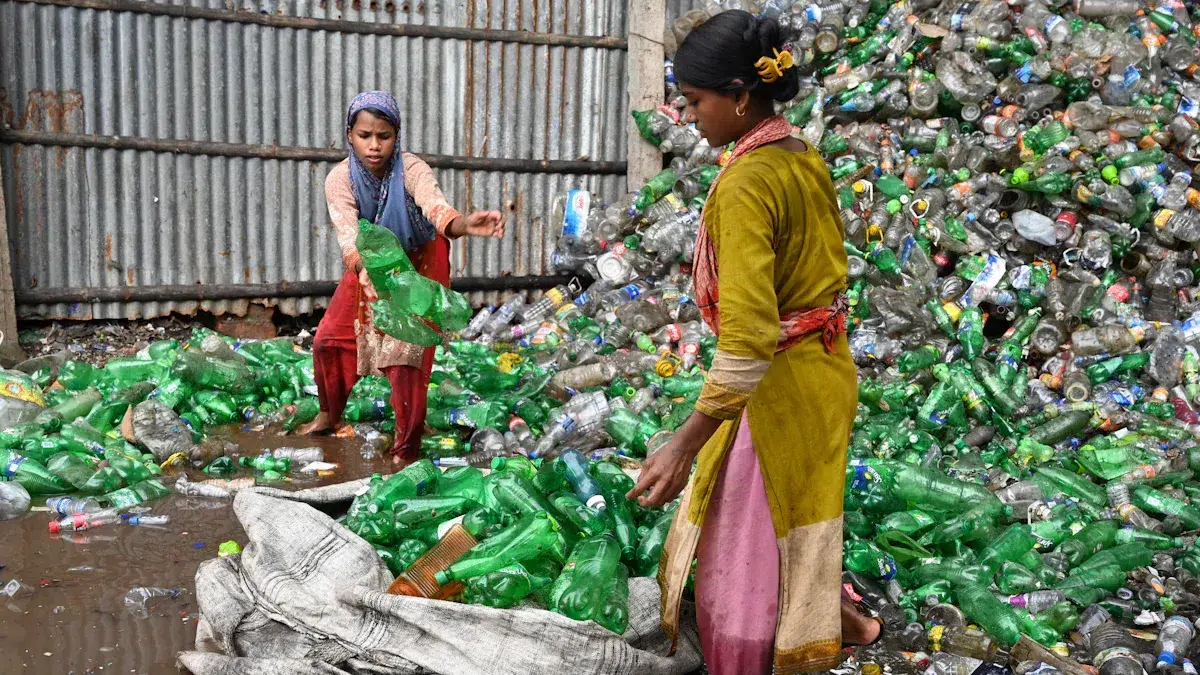
The main sources of recycled polyester fabric are plastic bottles made from PET. These bottles come from homes, recycling centers, and public places. Some are even picked up from beaches and oceans. Factories also give leftover polyester fabric and old clothes. The process starts with collecting these materials. After that, they are cleaned and turned into new fibers.
- Post-consumer PET bottles from homes and public spaces
- Discarded polyester clothing and textiles
- Industrial polyester waste from factories
This method helps keep plastic waste out of landfills and oceans.
Why recycled polyester fabric matters
Recycled polyester fabric is important for making eco-friendly products. It helps save fossil fuels, which are used to make new polyester. Using recycled materials also saves energy and lowers carbon emissions. The process keeps plastic waste out of landfills and water.
Picking recycled polyester fabric helps the circular economy. It means we reuse things and make less pollution.
Recycled polyester fabric is good for the environment. It uses 59% less energy than new polyester. It also makes 32% less carbon dioxide. The table below shows how recycled polyester fabric is better for the planet than new polyester:
| Environmental Benefit | Recycled Polyester Fabric | Virgin Polyester |
|---|---|---|
| Energy Consumption | Uses 59% less energy | Higher energy use |
| Carbon Emissions | 32% lower CO₂ emissions | Higher emissions |
| Plastic Waste Reduction | Reduces landfill and ocean waste | Adds to plastic waste |
Recycled polyester fabric is a smart pick for people who want to help the planet and support sustainable fashion.
Process of making recycled polyester
Mechanical vs. chemical recycling
There are two main ways to make recycled polyester. One way is mechanical recycling. The other way is chemical recycling. Mechanical recycling is used most often. It works best with clean and sorted plastic, like PET bottles. Chemical recycling can use mixed or dirty plastics, even old clothes. Each way has good points and hard parts.
The table below shows how mechanical recycling and chemical recycling are different for polyester:
| Aspect | Mechanical Recycling | Chemical Recycling |
|---|---|---|
| Input Material Requirements | Works best with clean, sorted plastic waste. | Can use many types of plastics, even dirty ones. |
| End Product Quality | Plastic gets weaker after many uses. | Makes strong plastic that meets high standards. |
| Environmental Impact | Uses less energy and makes less pollution. | Needs more energy and can make more pollution. |
| Cost and Scalability | Costs less and is used more often. | Needs lots of money and special buildings. |
Mechanical recycling is chosen more because it costs less and is easier. Chemical recycling makes better recycled polyester, but it needs more energy and special machines.
Steps in the process
Making recycled polyester starts with collecting used PET bottles and old polyester clothes. Factories sort these items to get PET away from other things. Workers and machines clean the bottles and take off labels and caps. The bottles are cut into small flakes. These flakes are cleaned again to remove dirt and glue. Special machines sort the flakes to keep only pure PET. The flakes are dried to get rid of water.
Next, the dry flakes are melted and pushed through machines. This makes strands or pellets. These strands turn into new recycled polyester fibers. Factories use these fibers to make recycled fabrics. These fabrics are used for sustainable polyester clothes and other products.
Here are the main steps for making recycled polyester:
- Collect used PET bottles and polyester clothes.
- Sort to separate PET from other things.
- Clean and wash to remove dirt and labels.
- Take off labels and caps.
- Cut bottles into PET flakes.
- Clean and wash the flakes again.
- Sort and separate the flakes.
- Dry the flakes.
- Melt and shape into strands or pellets.
- Make new products like recycled polyester fiber.
This process turns waste into useful recycled fabrics. It helps make sustainable polyester and other eco-friendly fabrics.
Environmental impact
Making recycled polyester is good for the environment. Mechanical recycling uses less energy than chemical recycling. Chemical recycling needs more energy, especially for methods like methanolysis and glycolysis. The table below shows how much energy each recycling method needs:
| Recycling Method | Energy Demand |
|---|---|
| Mechanical Recycling | Low to Moderate |
| Chemical Recycling | Moderate to High |
| Chemical Process Type | Energy Demand (kWh/ton PET) |
|---|---|
| Glycolysis | 3,000–3,500 |
| Methanolysis | 4,500–5,200 |
| Hydrolysis | 3,200–4,000 |
| Enzymatic Depolymerization | 500–800 (Pilot-Scale) |
Recycled polyester uses less energy than new polyester. It can save 30–50% of energy. It also lowers CO₂ emissions by almost 60%. Recycled polyester helps cut greenhouse gases by 59%. Using recycled polyester instead of new polyester helps make sustainable fabrics and reduces pollution.
Picking recycled polyester helps the Earth. It saves energy, lowers pollution, and keeps plastic waste out of landfills and oceans.
Recycled polyester is important for making sustainable polyester. It helps create recycled fabrics that are better for nature. Making recycled polyester helps build a cleaner and greener world.
Properties of recycled polyester fabric
Physical characteristics
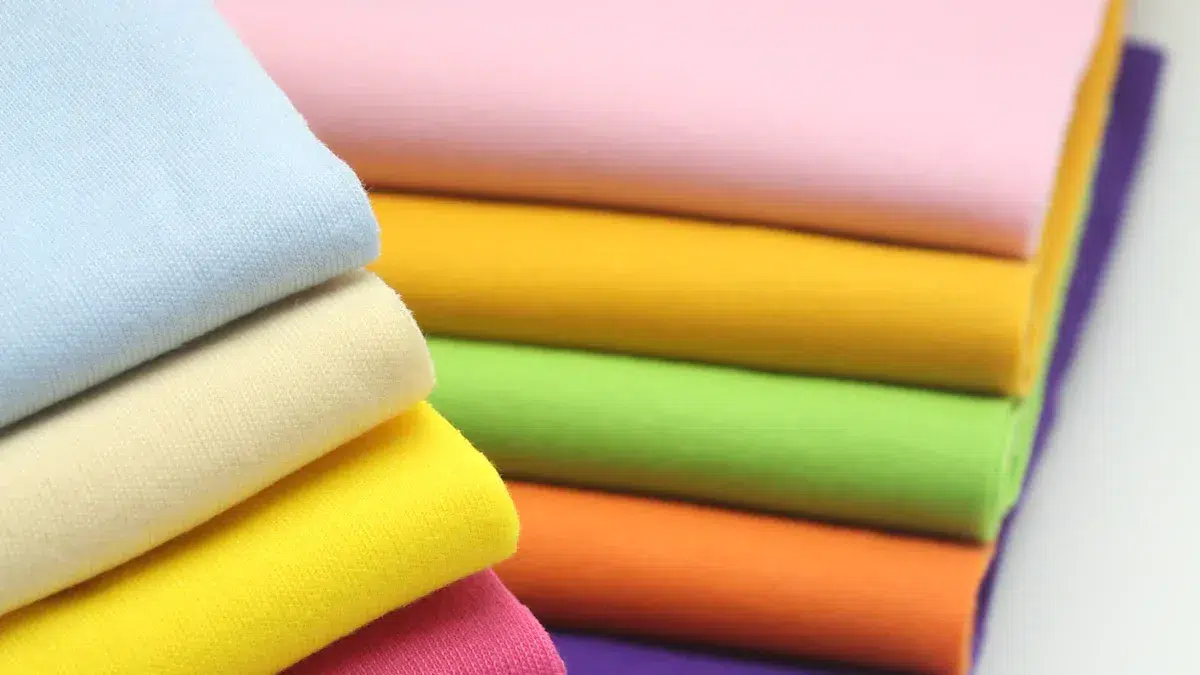
Recycled polyester fabric looks like regular polyester. It feels smooth and light. People use it for clothes because it dries fast. It does not wrinkle easily. The fabric keeps colors bright after many washes. Recycled polyester can be woven or knitted. Some types feel soft, and others feel firm. The material does not stretch much. It keeps its shape for a long time. Many sports brands use recycled polyester because it moves sweat away from the skin.
Durability and care
Recycled polyester is strong and lasts long. It does not rip easily. Both recycled and new polyester shirts stay nice after many wears. But recycled polyester loses about 55% more fibers than new polyester when washed. This means it may lose more fibers over time. The table below shows how much fiber each type sheds:
| Fabric Type | Fiber Shedding (fibres/g) | Comparison to Virgin Polyester |
|---|---|---|
| Recycled Polyester | 12,430 | 55% more |
| Virgin Polyester | 8,028 | Baseline |
To help recycled polyester last, follow these tips:
- Hang clothes to air out after wearing.
- Clean stains right away.
- Use sprays to keep clothes fresh.
- Wash in cold water with gentle soap.
- Do not use bleach.
- Dry on low heat or let air dry.
- Iron on low if needed.
- Use softener or spray for static.
- Turn clothes inside out to stop pilling.
- Use a fabric shaver if pilling happens.
- Wash soon to stop smells.
These steps help recycled polyester stay nice and keep its color.
is recycled polyester safe
Recycled polyester is safe to wear. Many rules check for bad chemicals in recycled polyester. OEKO-TEX Standard 100 sets limits for antimony and other things. The bluesign system and ZDHC Guidelines also control chemicals and metals. China’s GB/T 40351‑2021 has strong rules for recycled polyester fibers. The Global Recycled Standard checks recycled content and where it comes from. The table below lists some safety standards:
| Standard | Description | Limit |
|---|---|---|
| OEKO-TEX Standard 100 | Antimony limit for finished polyester fibers | 30 mg/kg |
| bluesign system | Limits for hazardous substances | BSBL numerical limits |
| ZDHC Guidelines | Chemical management | ppm-level thresholds |
| China’s GB/T 40351‑2021 | Eco-toxicological limits for recycled PET fiber | Strict restrictions |
| Global Recycled Standard | Recycled content and traceability | N/A |
Many recycled polyester fabrics have labels like GRS, OEKO-TEX, and bluesign. These labels show the fabric is safe and meets green standards.
Recycled polyester vs. virgin polyester
Production differences
Recycled polyester and virgin polyester are made in different ways. Virgin polyester starts with petroleum. Companies get crude oil and change it into polyester using chemicals. Recycled polyester uses old plastic bottles, used polyester clothes, and factory scraps. These things are picked up, cleaned, and cut into small flakes. The flakes are melted and turned into new fibers.
The table below shows where each type comes from:
| Type of Polyester | Raw Material Source |
|---|---|
| Recycled Polyester | Plastic bottles, old polyester garments, textile waste |
| Virgin Polyester | Petroleum-based raw materials, mainly crude oil |
Recycled polyester is just as strong and good as virgin polyester. Making recycled polyester is harder because it needs more steps. It must be sorted and cleaned before use. Recycled polyester usually costs 5–20% more than virgin polyester. This is because collecting bottles and dyeing the fibers is harder. Recycled polyester helps cut down on landfill waste and lowers greenhouse gases.
Performance comparison
Recycled polyester works as well as virgin polyester. Both are strong, last long, and keep their color after many washes. Recycled polyester is light and moves sweat away from the skin. This makes it great for sports and active clothes. Both types do not breathe as well as natural fibers. They can feel hot in warm weather.
Recycled polyester keeps its moisture-wicking power like virgin polyester. It stays bright and does not shrink much. Many brands use recycled polyester for clothes, bags, and shoes. It works well and lasts a long time.
Recycled vs. Virgin Polyester: Sustainability
Recycled polyester is better for the planet than virgin polyester. It uses waste instead of new oil. This keeps plastic out of landfills and oceans. Making recycled polyester uses about 90% less water than virgin polyester. It also saves energy and cuts greenhouse gases.
Many brands pick recycled polyester because of new rules and green trends. Some laws, like the EU Ecodesign for Sustainable Products Regulation, make companies use more recycled stuff. Recycling is now needed for many brands and helps them in the market.
Picking recycled polyester helps the Earth and makes the textile industry greener.
Certifications and uses
Certifications for recycled polyester
Certifications help people trust recycled polyester. These rules check if the fabric is safe and good for nature. The Global Recycled Standard (GRS) and OEKO-TEX are important certifications. GRS checks recycled content, chemical safety, and how workers are treated. OEKO-TEX tests for bad chemicals and checks recycled content. Both make sure recycled polyester is safe and can be tracked.
| Certification | Recycled Content Requirement | Guarantees |
|---|---|---|
| GRS | At least 20% (50% for logo) | Environmental, chemical, and social responsibility standards, complete traceability |
| OEKO-TEX | At least 20% | Chemical safety, testing for harmful substances |
The OEKO-TEX STANDARD 100 label means the fabric passed tests for over 1,000 bad chemicals. It also shows the product has at least 20% recycled material. These certifications help buyers feel sure when picking recycled fabrics.
Tip: Check for certification labels when you shop for recycled polyester clothes. These labels show the product is safe and follows strict rules for the planet.
Common applications
Recycled polyester is used in lots of products. It helps cut down plastic waste and saves oil. This fabric is strong and light. It works well for printing designs. Many brands use recycled polyester in fashion and sports clothes.
- Activewear brands use recycled polyester for leggings, sports bras, jackets, and training shirts. The fabric moves sweat away and stretches easily.
- Outdoor gear makers use recycled polyester in tents, backpacks, sleeping bags, and rain jackets. The fabric keeps out water and blocks UV rays.
- Accessories like caps, gloves, and headbands use recycled polyester because it stretches and lasts long.
- Factories use recycled polyester for things like safety vests and work uniforms.
Recycled polyester is popular in eco-friendly fashion. You see it in everyday clothes, sports gear, and outdoor items. Many companies pick recycled polyester to help the planet and support green choices.
Recycled polyester fabric is made from old plastic bottles and used clothes. It helps the environment by reusing things that would be thrown away. This fabric also supports the circular economy, which means we keep using materials instead of wasting them. The table below shows that recycled polyester makes much less carbon dioxide than regular polyester:
| Type of Polyester | CO₂ Emissions (kg CO₂e/kg) | Reduction Compared to Virgin Polyester |
|---|---|---|
| Recycled Polyester | 1.9 | 87% |
- Uses less oil from the ground
- Needs less energy to make
- Makes less pollution from chemicals
Picking recycled polyester helps cut down on trash and saves resources. Every time you buy it, you help make the world cleaner and support a greener future.
FAQ
What is rPET?
rPET means recycled polyethylene terephthalate. Factories make rPET using old plastic bottles and used polyester clothes. Many companies use rPET to make new fabrics and other items.
Can recycled polyester be recycled again?
Yes, you can recycle recycled polyester more than once. The fibers can get weaker each time it is recycled. Some special recycling methods help keep the fibers strong.
Does recycled polyester feel different from regular polyester?
Most people cannot feel a difference. Recycled polyester feels soft and smooth like regular polyester. It keeps its color and shape after many washes.
Is recycled polyester fabric good for sensitive skin?
Recycled polyester is safe for most people to wear. Many products have labels like OEKO-TEX that check for bad chemicals. People with very sensitive skin should look for these labels.
How can I care for recycled polyester clothing?
- Wash in cold water.
- Use gentle soap.
- Air dry or use low heat.Tip: Turn your clothes inside out to stop pilling and help them look new.