Cutting bonded fabric with machines is not always easy. Bonded fabric can slip or stretch, which makes it tough to get clean cuts. Many beginners make mistakes that can hurt their projects when working with bonded fabric. Some common problems include not washing the bonded fabric, not squaring it, and not paying attention to the grain direction. Sometimes people choose the wrong bonded fabric or forget to match patterns. With good tools and some patience, anyone can get good results with bonded fabric. Take time to prepare your bonded fabric and practice each step. You’ll feel more confident as you improve your skills.
Not washing the bonded fabric before cutting
Not squaring and truing the bonded fabric
Not following pattern instructions for placement of the bonded fabric grain
Not having enough bonded fabric to match plaids or stripes
Using the wrong bonded fabric
Tip: Always inspect your bonded fabric before you start. Preparing properly makes a big difference when working with bonded fabric.
Key Takeaways
Always wash and press bonded fabric before cutting. This prevents shrinking and ensures clean edges.
Use sharp blades and the right machine settings for cutting. Dull blades can cause fraying and inaccurate cuts.
Secure the fabric with weights and pins to prevent shifting during cutting. This leads to more precise results.
Test your cutting techniques on scrap fabric first. This helps you find the best settings and avoid mistakes.
Keep a record of your best cutting settings for each type of bonded fabric. This saves time and improves accuracy in future projects.
Why Bonded Fabric Needs Special Care
What Is Bonded Fabric
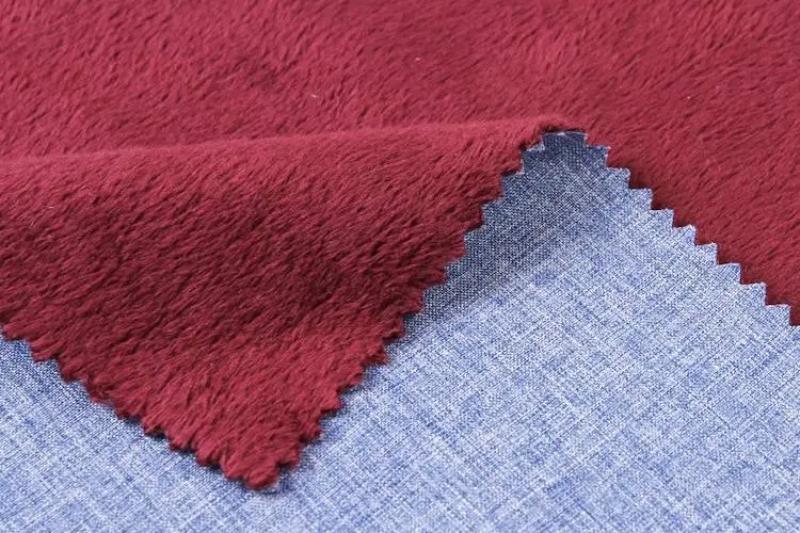
Bonded fabric is a special material made by pressing two or more layers of fabric together. This process uses heat, pressure, or glue to join the layers. The result is a strong and flexible fabric that works well for many projects, such as clothing, bags, and tents. The manufacturing process combines different types of fabric or materials. The bonding process can use adhesives, heat, or pressure, or sometimes a mix of these techniques. By joining the layers, bonded fabric becomes a composite material. This means it has the best qualities of each fabric used. People choose bonded fabric when they want extra strength or a unique look.
Common Cutting Challenges
Cutting bonded fabric with machines can be tricky. The layers may shift or stretch during cutting. This can lead to uneven edges or fraying. Some common challenges include:
Using too much heat can shrink the fabric, melt the glue, or even burn the fabric.
Dull scissors or rotary cutters can tug on the fabric and cause fraying.
Testing glue bonds before cutting is important to make sure the fabric stays together.
Cutting techniques for bonded fabric need extra care. Machines must use sharp blades and the right settings. If the blade is dull, it can pull the fabric and ruin the cut. Some techniques work better than others, depending on the type of bonded fabric. Always test your cutting techniques on a small piece first. This helps you see how the fabric reacts. Try different techniques to find what works best for your project. Good cutting techniques help prevent mistakes and keep the fabric looking neat.
Note: Practice different cutting techniques on scraps of bonded fabric before starting your main project. This helps you avoid surprises and get the best results.
Cutting bonded fabric takes patience and the right techniques. With practice, you can master the best ways to cut this special fabric.
Tools & Settings for Bonded Fabric
Choosing the Right Machine
Picking the right machine is important for cutting. Machines have special features for bonded fabric. There are electronic cutters, manual die cutters, and electric rotary cutters. Each one helps with different projects and cutting techniques.
Machine Type
Features
Suitability for Bonded Fabric
Electronic Cutters
Precise cuts, computer-controlled, cuts many materials
Best for speed and precision
Manual Die Cutters
Affordable, portable, needs patience for clean cuts
Good for manual control
Electric Rotary Cutters
Handheld, sharp blade, good for straight or curved lines
Popular among quilters and crafters
Electronic cutters are good for detailed cuts. Manual die cutters are easy to carry and use. Electric rotary cutters are fast and work for straight or curved lines. Many people like rotary cutters because they are flexible and easy to control.
Best Blades and Mats
The right blades and mats help you cut better. The bonded-fabric blade is made for this material. It cuts layers without pulling or making the edges messy. Rotary cutters with sharp blades also give smooth cuts. Use a clean, sticky mat like a fabric grip mat. This keeps the fabric from moving while you cut. Rotary cutters work best with sharp blades and a good mat. Change blades often for the best results.
Bonded-fabric blade: Cuts bonded fabric neatly.
Rotary cutters: Work for straight and curved cuts.
Fabric grip mat: Holds fabric still for accurate cutting.
Machine Settings for Clean Cuts
Using the right settings helps you get neat edges. Adhesive interfacing makes the fabric stronger. Keep the paper backing on to make the fabric stiff. This stops the fabric from moving while you cut. The fine point blade works well if the fabric is bonded.
Settings like pressure, speed, and blade depth change for each fabric. The table below shows settings for different bonded fabrics:
Fabric Type
Pressure
Speed
Blade Depth
Cotton, Bonded
286
Off
Bonded Fabric Blade
Medium Fabrics (like Cotton), Bonded
286
Off
Bonded Fabric Blade
Polyester, Bonded
300
2x
Bonded Fabric Blade
Denim, Bonded
325
2x
Bonded Fabric Blade
Heavy Fabrics (like Denim), Bonded
325
2x
Bonded Fabric Blade
Light Fabrics (like Silk), Bonded
175
Off
Bonded Fabric Blade
Linen, Bonded
175
Off
Bonded Fabric Blade
Silk, Bonded
175
Off
Bonded Fabric Blade
Felt, Craft Bonded
200
2x
Bonded Fabric Blade
Oil Cloth, Bonded
250
2x
Bonded Fabric Blade
Outdoor Vinyl, Bonded
275
2x
Bonded Fabric Blade
Test different cutting techniques on scraps first. Change the settings if the fabric does not cut well. Rotary cutters and sharp blades help with most cuts. Practice helps you learn which settings work best.
Tip: Always check your rotary cutters and blades before you start. Sharp tools make cutting easier and give better results.
Prepare Bonded Fabric for Cutting
Pressing and Smoothing
Good fabric preparation is the first step for accurate cutting. Start with washing the fabric. This removes creases and helps the fabric keep its shape. Washing also prevents shrinking after cutting. Next, ironing is important. Pressing the fabric with an iron smooths out wrinkles. A smooth surface helps cutting techniques work better. Squaring up the fabric comes next. Align the edges so they are straight. This step gives a stable base for cutting multiple layers. When the fabric is flat and straight, cutting becomes easier and more precise.
Tip: Always check for wrinkles before you start. Smooth fabric leads to cleaner cuts and better results.
Securing Fabric with Weights
Securing the fabric is key when using cutting techniques with machines. Pattern weights help hold the fabric in place. These weights stop the layers from shifting during cutting. For extra stability, use pins along with the weights. This method works well when cutting multiple layers. The fabric stays flat, and the layers do not move. Using both weights and pins gives you more control over your cutting techniques.
Pattern weights keep the fabric steady.
Pins add extra security for cutting multiple layers.
Both tools help prevent mistakes during cutting.
Aligning on the Mat
Proper alignment on the mat is a vital part of fabric preparation. Place the fabric on the mat with the grain running straight. This helps the cutting techniques produce even edges. Make sure the layers are smooth and flat. Check that the fabric does not bunch up or fold. When cutting multiple layers, align each layer carefully. This step ensures all layers match after cutting. Take your time with this part of the preparation. Good alignment leads to better results with all cutting techniques.
Note: Double-check the placement before starting the machine. Careful preparation saves time and fabric.
Cut Fabric Precisely with Machines
Test Cuts and Adjustments
Test cuts help you achieve accurate cutting. Before you start your main project, use a small piece of bonded fabric to check your settings. This step lets you see how the machine handles the material. Adjust the blade depth and pressure if the cut is not clean. Try different techniques to find what works best for your fabric. Machines may need changes for each type of bonded fabric. Always check the rotary blade for sharpness. A dull blade can lower accuracy and cause fraying.
Use a simple shape for your test cut. Circles or squares work well. If the edges look rough, slow down the machine speed. Lower speed often improves accuracy. Repeat the test until you see smooth, clean edges. This process helps you cut fabric precisely every time. Test cuts also show if the adhesive holds the layers together. If the fabric separates, press it again before cutting.
Tip: Keep a notebook to record your best settings for each type of bonded fabric. This habit saves time and improves accuracy on future projects.
Cutting with the Grain
Cutting with the grain gives you strong, even pieces. The grain is the direction of the threads in the fabric. When you cut fabric precisely along the grain, the edges stay straight and do not stretch. This step is important for accurate cutting and helps your finished project keep its shape.
To find the grain, look for the lines in the fabric. Place the fabric on the mat so the grain runs parallel to the edge. Use methods for cutting straight lines, such as using rulers and rotary cutters. These tools help you follow the grain and keep your cuts accurate. Always double-check the alignment before you start cutting.
Here are some steps for cutting with the grain:
Lay the fabric flat on the mat.
Align the grain with the grid lines on the mat.
Use rulers and rotary cutters for straight cuts.
Hold the fabric steady to prevent shifting.
Check each piece after cutting for accuracy.
Cutting against the grain can cause the fabric to stretch or fray. For best results, always use techniques that follow the grain. This approach leads to accurate cutting and strong, neat edges.
Managing Intricate Designs
Intricate designs require special techniques for accurate cutting. Small shapes and detailed patterns can be hard to cut with regular tools. Machines with advanced features, like laser cutting, offer high accuracy for these tasks. Laser cutting uses a focused beam to cut fabric without touching it. This method keeps the fabric still and prevents shifting. The result is clean, precise edges, even on complex shapes.
When working with intricate designs, slow down the machine speed. Lower speed increases accuracy and reduces mistakes. Use a fresh rotary blade for each project. Sharp blades help you cut fabric precisely and avoid frayed edges. For very detailed patterns, consider using a stabilizer. This extra layer keeps the fabric firm during cutting.
Follow these techniques for managing intricate designs:
Choose the right blade for your machine.
Use a sticky mat to hold the fabric in place.
Select the correct settings for pressure and speed.
Test the design on scrap fabric before the final cut.
Clean the blade often to maintain accuracy.
Laser cutting stands out as a top choice for cutting patterns accurately. It handles small details and complex shapes better than traditional methods. The non-contact process keeps the fabric stable, which improves accuracy and gives uniform results. Many professionals use laser cutting for projects that need high precision.
Note: Take your time with intricate designs. Careful preparation and the right techniques lead to the best results.
Troubleshooting & Tips
Preventing Fraying
Fraying can ruin the edges of bonded fabric after cutting. Many techniques help keep the edges neat. Try these steps to prevent fraying when using machines for cutting:
Use pinking shears to cut the fabric. The zigzag edge helps stop threads from coming loose.
Sew a zigzag stitch along the raw edge. This technique holds the threads in place.
Fold the edge under twice to make a double-fold hem. This method hides the raw edge inside the fabric.
Bind the edge with bias tape. This covers the edge and keeps it from fraying.
Finish the edge with an overlock or serger. This trims and stitches the edge in one step.
Other helpful techniques include:
Using nail polish on thin fabric edges to seal them after cutting.
Burning the edges of synthetic fabric to melt and seal them. Always use care with this technique.
Using fabric pinking shears for a quick zigzag edge.
Tip: Always test your chosen technique on a scrap piece before cutting your main fabric.
Dealing with Adhesive Buildup
Adhesive buildup can slow down cutting and damage blades. Sticky residue often collects on rotary blades and mats during cutting. Clean your rotary blade with a soft cloth and rubbing alcohol after each project. This keeps the blade sharp and ready for more cutting. For mats, use a lint roller or gentle soap and water. Avoid harsh chemicals that can damage the mat surface. Regular cleaning helps your cutting techniques stay accurate and smooth.
Fixing Inaccurate Cuts
Inaccurate cuts can happen with any fabric, especially when using machines. Check your machine settings before starting. Make sure the rotary blade is sharp and the mat is sticky. If the fabric shifts during cutting, use more weights or pins. Try slowing down the machine speed for better control. Test your techniques on scraps to find the best settings. If a cut is off, trim the edge with scissors or a rotary cutter. Practice helps you improve your cutting and get better results with every project.
Note: Keep a record of your best settings and techniques for each type of fabric. This habit saves time and improves your cutting accuracy.
Cutting bonded fabric with machines takes skill and care. Always prepare the fabric before cutting. Use sharp blades and the right mat for each cutting job. Test your cutting settings on scrap fabric. Align the fabric on the mat to keep cutting lines straight. Try different cutting tools and settings to see what works best for your fabric. Practice cutting shapes and patterns to improve your skills. Keep a checklist for each cutting project:
Wash and press the fabric
Secure the fabric with weights
Align the fabric on the mat
Test cutting settings
Clean blades after cutting
Cutting bonded fabric gets easier with practice. Stay patient and keep learning new cutting techniques. Every cutting project helps you get better with fabric.
FAQ
What is the best way to keep fabric from shifting during cutting?
Use a sticky mat and pattern weights to hold the fabric in place. Smooth the fabric before cutting. Always check that the fabric is flat. This helps prevent shifting and gives you clean, accurate cutting results.
How do I avoid fraying edges when cutting bonded fabric?
Choose sharp blades for cutting. Try pinking shears or a zigzag stitch along the edge of the fabric. Some people use bias tape or a double-fold hem. These methods help keep the fabric edges neat after cutting.
Can I use any machine for cutting bonded fabric?
Not every machine works well for cutting bonded fabric. Electronic cutters, rotary cutters, and manual die cutters are best. Always check if your machine supports bonded fabric. Use the correct blade and mat for the best cutting experience.
Why does my fabric sometimes tear during cutting?
Fabric may tear if the blade is dull or if the cutting pressure is too high. Always use a sharp blade and adjust the machine settings. Test cutting on a scrap piece of fabric before starting your main project.
What should I do if adhesive builds up on my cutting tools?
Adhesive can collect on blades and mats during cutting. Clean blades with rubbing alcohol and a soft cloth. Use a lint roller or gentle soap for mats. Regular cleaning keeps your fabric cutting tools working well.
Starke
fabric expert
with 16 years experience of textile manufacturing, Starke deeply understand global apparel supply chains, brand requirements, and regional market differences.