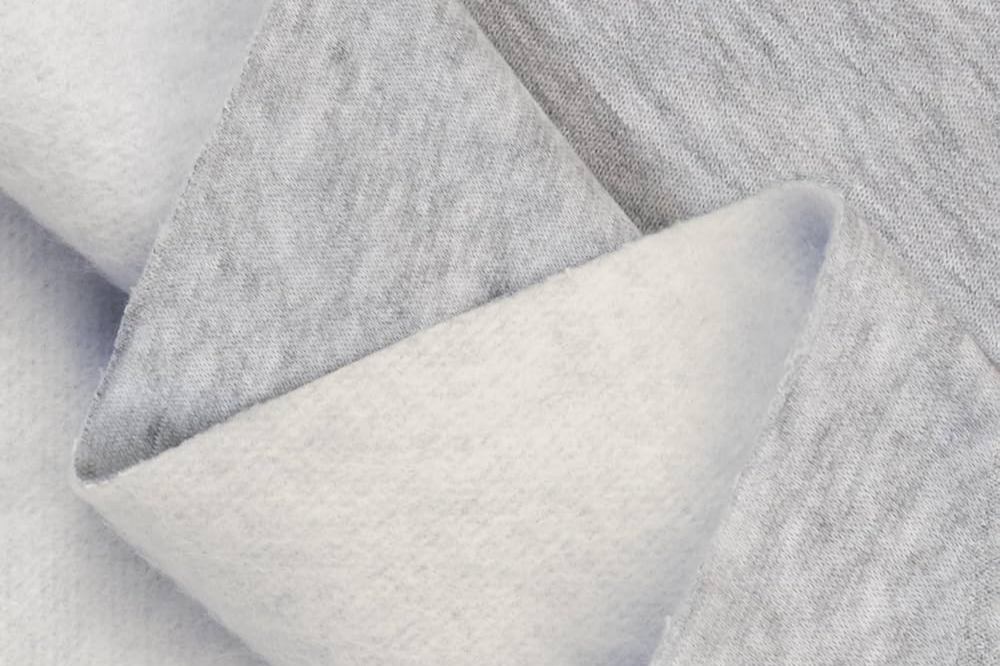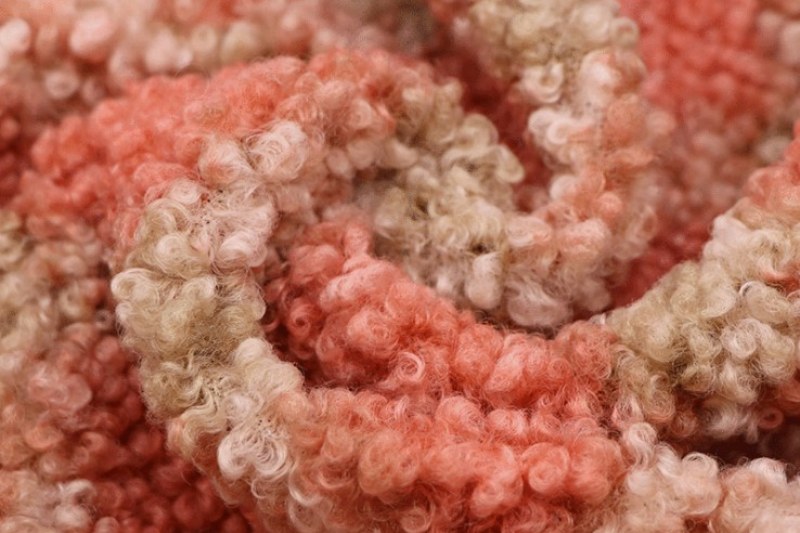
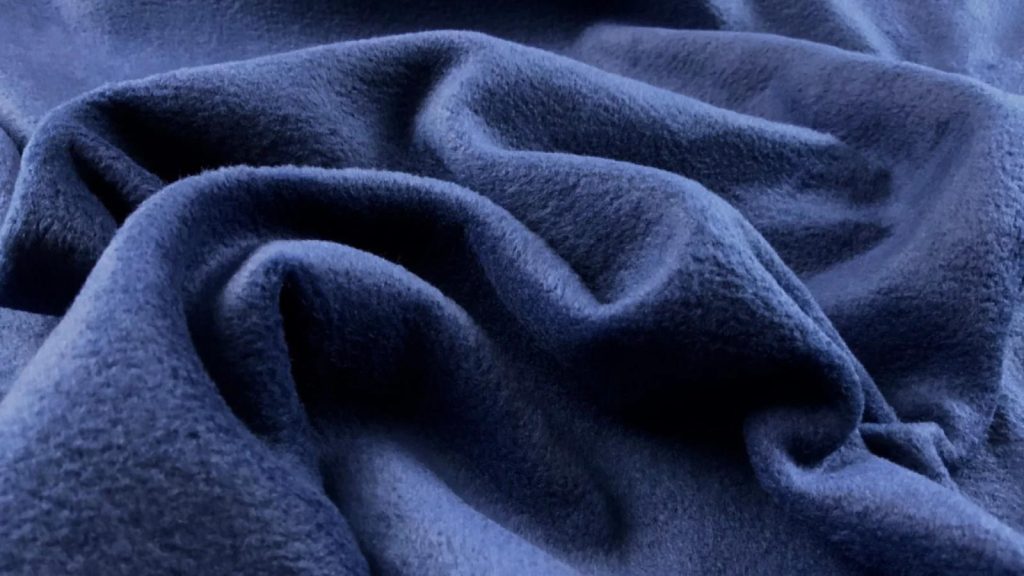
Polar fleece fabric is mostly made from 100% polyester fibers. Makers use a double-sided knit to make this fabric. This way, the fabric feels soft on both sides. The polyester fibers, called extruded polymer fibers, make the fabric strong and warm. People like polar fleece fabric because it keeps them warm and feels nice in cold weather.
Key Takeaways
- Polar fleece is mostly made from 100% polyester fibers. These fibers make it warm, soft, and strong. Recycled polyester is often used in polar fleece. This helps save energy and cuts down on plastic trash. It still keeps the fabric good quality. Polar fleece has a double-sided knit design. This makes it soft on both sides. It feels nice and comfy to wear. Polar fleece lets air move through it. It keeps you warm but does not trap sweat. This makes it great for outdoor use. Some polar fleece uses blends like poly-cotton or hemp. These blends give special features. People can pick what they like best. They can choose based on warmth, comfort, or how it affects the planet.
Polar Fleece Fabric Materials
Polyester Fibers in Polar Fleece
Polyester fibers are the main part of polar fleece fabric. These man-made fibers make the fabric warm, soft, and strong. The way the fibers are woven creates tiny air pockets. These pockets hold body heat and keep you warm. The double-sided knit uses two sets of needles. This makes the fabric thick and heavy. This design helps the fabric hold heat and stay strong.
Note: The double-sided knit makes polar fleece fabric soft on both sides. This adds to how comfortable it feels.
The table below lists the main features of polyester fibers that make them great for polar fleece fabric:
| Characteristic | Description |
|---|---|
| Warmth | Provides insulation and retains heat |
| Softness | Offers a comfortable feel against the skin |
| Moisture-wicking | Draws moisture away from the body |
| Lightweight | Easy to wear and carry |
| Durability | Resists wear and tear |
| Ease of maintenance | Simple to clean and care for |
Polyester fibers do not stain or fade easily. This makes polar fleece fabric simple to clean and helps it last a long time.
Recycled Polyester in Polar Fleece
Most polar fleece fabric today is made with recycled polyester. About 98% of polar fleece fabrics use recycled polyester. Only 2% use new polyester. Recycled polyester comes mostly from plastic bottles. Factories collect and clean these bottles. Then, they shred the bottles into small flakes. The flakes are melted into pellets. These pellets are turned into thin polyester fibers.
Using recycled polyester has many good points:
- It uses 50% less energy.
- It lowers CO2 emissions by 75%.
- It uses 90% less water.
- Making 1 kilogram of recycled polyester saves about 60 plastic bottles from landfills.
Recycled polyester works almost the same as new polyester. Both types are strong, moisture-wicking, and easy to clean. Recycled polyester also helps the environment and cuts down on plastic waste.
Blended Fiber Options
Some polar fleece fabric is made with blended fibers. The most common blends mix polyester and cotton. These blends can change how the fabric feels, how warm it is, and its price. For example, poly-cotton fleece blends keep you warmer than pure cotton fleece. They also cost less.
| Type of Fleece | Fiber Composition | Properties | Uses |
|---|---|---|---|
| Polar Fleece | Primarily polyester | Very warm, double-sided pile, affordable | Blankets, jackets, gear |
| Cotton Fleece | 100% cotton or cotton-poly blend | Smooth outside, plush inside, lightweight | Sweatshirts, loungewear |
| Poly-Cotton Fleece | Blend of cotton and polyester | Better insulation, more affordable | Sweatshirts, sweatpants |
Blended fiber options can cost more to make, especially if they use recycled or eco-friendly materials. But these blends are popular with people who want different textures, styles, or green choices. The many types of polar fleece fabric make it useful for lots of things, like outdoor gear and everyday clothes.
Polar Fleece Fabric Manufacturing
Preparation of Polyester Fibers
Manufacturers get polyester fibers ready before making polar fleece fabric. They follow many steps to make sure the fibers are clean and smooth. These steps also help the fibers get ready for knitting. Here is a usual order:
- Take raw silk from cocoons.
- Make bag silk by putting yarns on wire.
- Weave cotton cloth to make the polar fleece base cloth.
- Brush the base cloth to make it smooth.
- Card the fibers so they line up neatly.
- Cut the fibers so they are all the same length, between 1.2 and 3.5mm.
- Shake the grain at a set temperature to finish the texture.
- Shape the cloth to get the right width and look.
During these steps, manufacturers can have problems like dyeing mistakes or heat setting errors. The tight structure of polyester fibers can make dyeing hard. Sometimes, this causes color changes or uneven colors.
Detailed Knitting Techniques
The next step uses special knitting machines to make the double-sided polar fleece fabric. Circular knitting machines have many needle beds. These machines make two layers of fabric at the same time. Two sets of needles lock the layers together. This makes the fabric thick and warm.
- Double knit fabrics have two layers twisted together.
- Circular knitting machines can make cool patterns.
- Stitch types like jersey, rib, or purl add style and texture.
- New machines are more exact and use less energy. They have parts like suspended wire race bearings and aircraft-grade aluminum.
New technology helps makers create better fleece with fewer mistakes and more even quality.
Brushing For Softness
After knitting, the fabric gets brushed to make it soft and warm. Brushing lifts the fibers and makes a fluffy surface called the pile. This step traps air, which keeps the fabric warm and helps hold body heat.
| Step | Effect |
|---|---|
| Brushing | Lifts fibers to make a fluffy, napped surface (pile) |
| Trapping Air | Gives great insulation and keeps body heat in |
| Softness | Makes a soft surface that feels good on skin |
Gentle brushing with soft brushes can make the fabric even softer. Combing and shearing come next. These steps line up the fluff and cut it to the right length. These last steps give polar fleece fabric its soft feel and steady warmth.
Polar Fleece Fabric Properties
Warmth And Insulation
Polar fleece fabric helps people stay warm when it is cold. The polyester fibers hold air inside the fabric. This air makes a layer that keeps body heat in. The double-sided knit and fluffy top keep warmth close to your skin. The way the fabric is made adds more air pockets. These pockets make the insulation better.
The table below shows how polar fleece stacks up against other insulation types:
| Insulation Type | R-value Range | CLO Rating Range |
|---|---|---|
| Polar Fleece | R-0.34 to R-0.78 | N/A |
| Batt Insulation | R-0.86 to R-3.03 | N/A |
| Alpha Insulation | R-0.36 to R-0.54 | N/A |
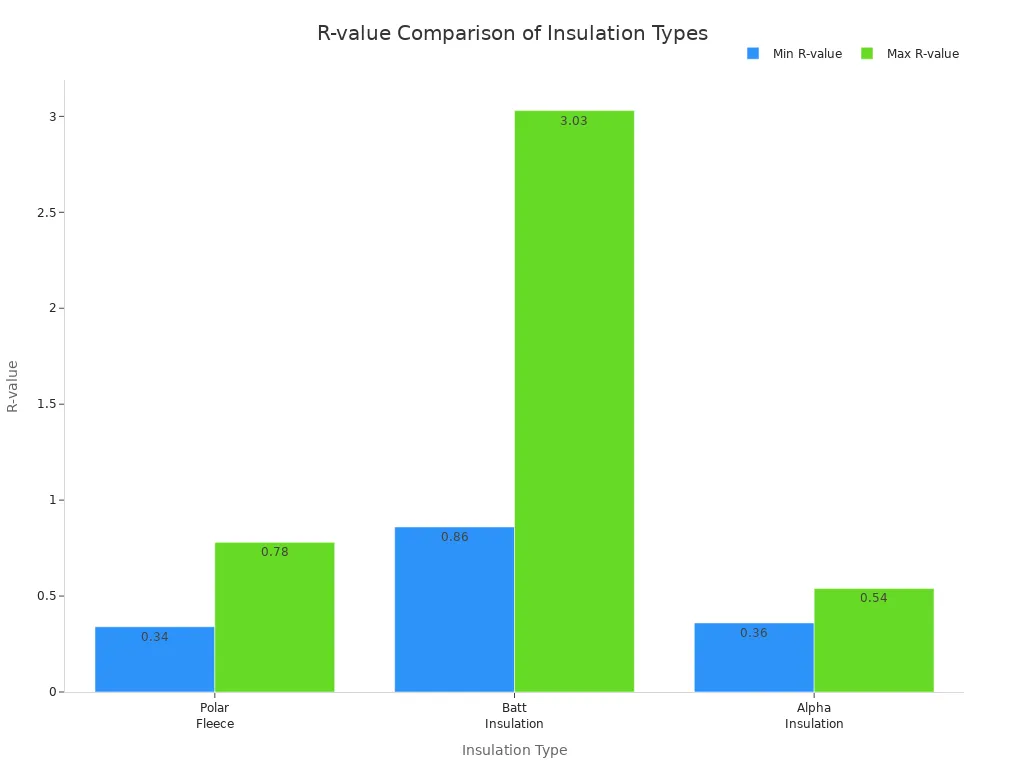
R-value tells us how well a material stops heat from leaving. A higher number means the insulation is better. Polar fleece gives good insulation for clothes. It works well for outdoor activities.
Softness And Comfort
People like polar fleece because it feels soft. Brushing lifts the fibers and makes the surface fluffy and gentle. Both sides of the fabric feel smooth and cozy. This makes jackets, blankets, and hats comfortable to wear.
- The fabric does not itch or scratch.
- It feels light but still keeps you warm.
- The softness stays even after many washes.
Kids and adults enjoy wearing polar fleece. It feels nice and does not bother the skin.
Breathability And Durability
Polar fleece keeps you warm but also lets air move through. Air can pass through small spaces between the fibers. This stops you from getting too hot when you play or do sports. The fabric has many tiny air chambers made by dense loops. These chambers hold warmth but let sweat escape.
Polar fleece uses dense, even loops to make lots of small air chambers. These give steady insulation without making the fabric heavy. The tight build keeps air from moving too much but still lets the fabric breathe. This is called the ‘goldilocks zone’ for active insulation.
The table below compares polar fleece to regular fleece:
| Fabric Type | Breathability | Durability |
|---|---|---|
| Polar Fleece | Superior | More durable |
| Regular Fleece | Good | Less durable |
To keep polar fleece nice, wash it on a cold, gentle cycle and let it air dry. These steps help the fabric last longer and stay soft.
Polar Fleece Variations and Alternatives
Alternative Materials Used in the Production of Polar Fleece Fabric
Manufacturers use different materials to make fleece fabrics. Cotton fleece has a thick, soft inside and a smooth outside. It feels nice to wear every day. Cotton fleece lets air move through, so it is breathable. But it does not keep you as warm as polyester fleece. This means cotton fleece is better for cool, not cold, weather.
Hemp fleece is strong and lets air pass through. It also fights bacteria naturally. Hemp fleece keeps you warm like polyester does, but it is better for the planet. Recycled polyester gives the same warmth and feel as regular fleece. It helps cut down on waste and is good for the environment.
Organic cotton fleece is soft and lets air flow. It is gentle on your skin and safer for nature. TENCEL™ fleece is made from wood pulp fibers. It feels soft, pulls sweat away, and breaks down over time. TENCEL™ fleece keeps you comfy, but it does not hold heat as well as polyester.
| Material | Properties | Comparison to Polyester-Based Fleece |
|---|---|---|
| Cotton | Deep pile, warm, breathable, smooth outer layer, plush inner layer | Less effective at retaining heat, lighter and more breathable |
| Hemp | Durable, breathable, natural anti-bacterial properties | Similar warmth but more sustainable than polyester |
| Recycled Polyester | Eco-friendly, retains warmth, similar texture to traditional fleece | Comparable warmth and texture, but more sustainable |
| Organic Cotton | Soft, breathable, environmentally friendly | Less heat retention compared to polyester |
| TENCEL™ | Soft, breathable, moisture-wicking, biodegradable | Good breathability and comfort, less warmth retention |
Tip: People who care about the earth pick recycled polyester, hemp, or organic cotton fleece.
- Cotton fleece lets air in but is not as warm as polyester.
- Hemp fleece is strong and lets air in, and is better for the planet.
- Recycled polyester is warm and feels like regular fleece, but is eco-friendly.
- Organic cotton is soft and lets air in, but does not keep heat as well.
- TENCEL™ is soft and keeps you dry, but is not as warm.
Specialty Blends and Their Unique Performance Characteristics
Specialty blends mix fibers to make fleece better. Makers often mix polyester with cotton or other natural fibers. These blends change how the fabric feels and works. Poly-cotton blends keep you warmer than just cotton fleece. They also cost less and last longer.
Some blends use recycled polyester with organic cotton. This makes a soft, green fabric that keeps you warm. Hemp-polyester blends are strong and let air in. TENCEL™-polyester blends feel smooth and pull sweat away from your skin.
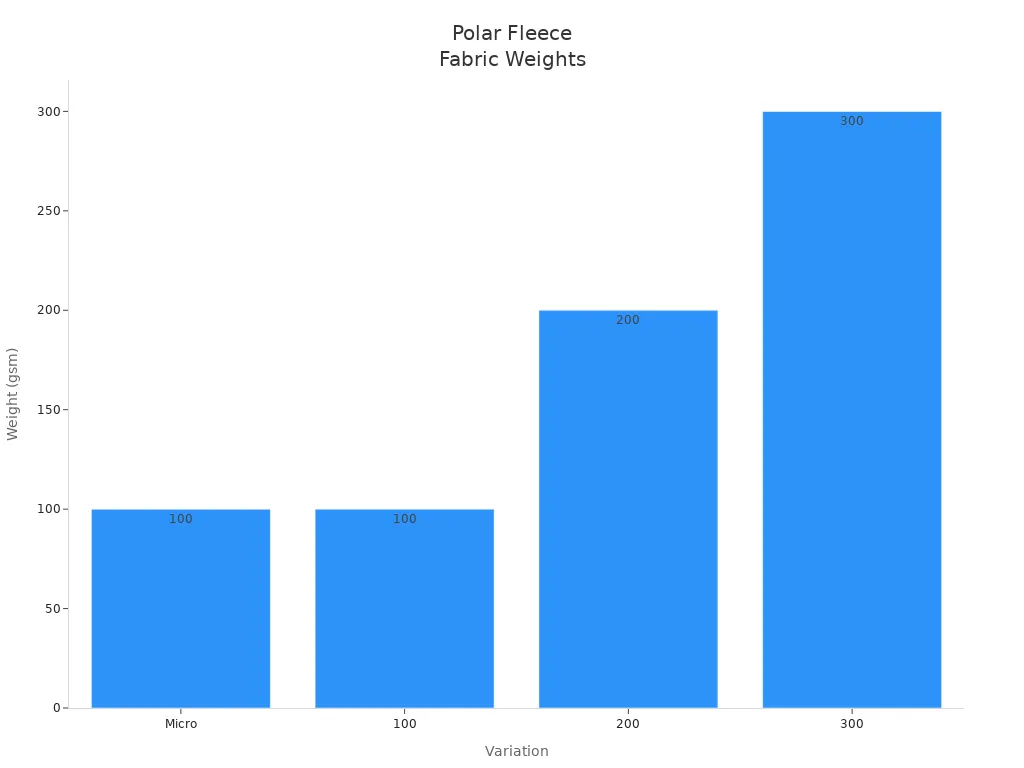
There are many types of polar fleece fabric. Each type has its own weight and warmth:
| Variation | Weight (gsm) | Characteristics |
|---|---|---|
| Micro | <100 | Lightweight and soft |
| 100 | 100 | Warm and versatile |
| 200 | 200 | Heavier and warmer |
| 300 | 300 | Thickest and warmest |
Polartec fabric is strong and does not wear out fast. It does not get fuzzy, so it stays smooth after many uses. Polartec comes in many weights and styles for jackets, blankets, and outdoor gear.
Note: Specialty blends and other materials give people more choices. You can pick what is best for warmth, comfort, or the planet. Each blend has special benefits for different needs.
Polar fleece fabric is special because it uses polyester fibers. These fibers help keep you warm and make the fabric soft. The way it is made makes the fabric light and lets air move through. It also does not soak up water easily. Here are some important things to know:
- The fabric keeps you warm without being heavy.
- It feels soft and nice on your skin.
- It lets air in and moves sweat away, so it is good for outside.
- How thick and strong the fabric is can change how well it works in cold weather.
People should check for these things when they buy polar fleece clothes.
FAQ
What makes polar fleece different from regular fleece?
Polar fleece is made with polyester fibers and a double-sided knit. This makes it warmer and softer than regular fleece. Regular fleece can be made with cotton or blends. These feel lighter and are not as warm.
Can polar fleece fabric cause allergies?
Most people do not get allergies from polar fleece. It does not have wool or animal fibers. The fabric feels soft and gentle on sensitive skin.
How should someone wash polar fleece clothing?
Wash polar fleece in cold water on a gentle cycle. Let it air dry to keep it soft and stop pilling. Do not use fabric softeners or bleach.
Is polar fleece fabric waterproof?
Polar fleece can resist water but is not fully waterproof. It dries fast and keeps you warm even if it gets wet. For full waterproofing, wear another layer on top.