Pique fabric can stretch, but not all pique fabrics stretch the same. How much it stretches depends on the fibers used and how it is made. Many people wonder what pique fabric is because it feels different and is used in clothes. Stretch pique fabric often mixes fibers like elastane or spandex. This makes clothes more comfortable and flexible. The table below shows how fiber blends change stretchiness:
| Fiber Blend | Effect on Stretchiness |
|---|---|
| Elastane/Spandex | Makes clothes stretch more and feel comfy |
| 3-8% Elastane | Gives perfect stretch in all directions |
| Moisture-wicking | Helps clothes work better for sports |
| Dimensional Stability | Keeps shape with almost full recovery after stretching |
To pick the best pique fabric, check the fiber blend. Think about how much stretch you want.
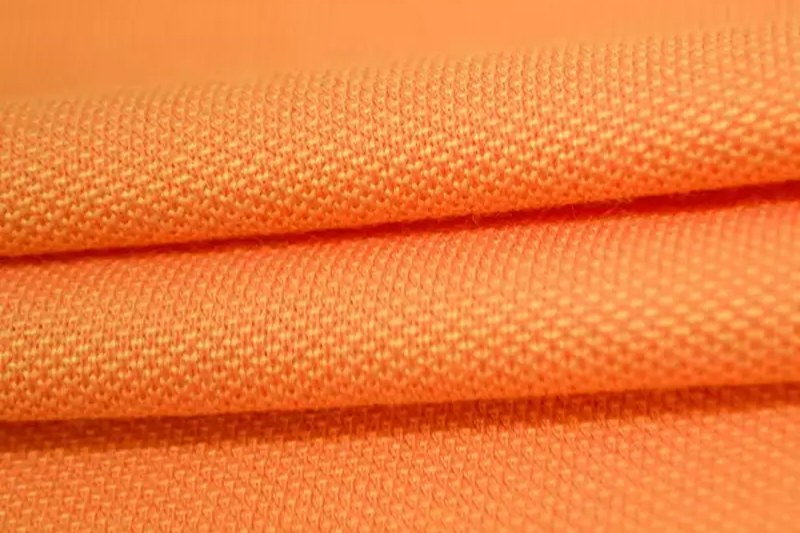
Pique fabric construction
Pique fabric is special because it has a unique texture. Makers use a weaving or knitting method to create it. This method makes raised shapes on the surface. These shapes can look like tiny squares, honeycombs, or cords. The texture gives pique its well-known look and feel.
Making pique fabric starts with picking yarns. Cotton is used most often. Sometimes polyester or other fibers are added to make it stronger. The weaving or knitting creates a fabric with two layers. This double layer helps the fabric stay strong and keeps its shape. The raised shapes let air move through the fabric. This makes pique fabric easy to breathe in.
Pique fabric is very useful. It works for many kinds of clothes. The texture helps hide wrinkles and stains. The fabric also soaks up moisture to keep you comfortable. Because of these features, pique is chosen for both casual and fancy clothes.
Non-stretch pique fabric is used in many ways. Some common uses are:
- Sportswear is great for outdoor activities because it lets air in and absorbs sweat.
- Polo shirts started as sportswear but are now worn casually.
- Formal evening wear like waistcoats and bow ties are seen at fancy events.
- Everyday shirts, dresses, and pants show how useful pique can be.
The way pique fabric is made makes it fit many needs. Its breathability, strength, and texture make it different from other fabrics. When picking pique, think about how it was made and what fibers are in it. This will help you choose the best pique fabric for your project.
Knit pique vs. Woven pique
Pique fabric comes in two main types: knit and woven. Each type has its own features. Knowing the difference helps you choose the right pique for your needs.
Knit pique uses loops of yarn. This method makes the fabric soft and flexible. Knit pique fabric often feels stretchy. Many polo shirts use knit pique because it moves with your body. The loops in knit pique let air pass through, so the fabric breathes well. This keeps you cool and comfortable.
Woven pique uses threads that cross over and under each other. This method creates a firm and stable fabric. Woven pique fabric does not stretch much. It holds its shape and looks crisp. You often see woven pique in dress shirts and formal wear. The texture in woven pique comes from the way the threads are woven.
Here is a table to show the main differences:
| Feature | Knit Pique Fabric | Woven Pique Fabric |
|---|---|---|
| Stretchiness | High | Low |
| Feel | Soft and flexible | Firm and crisp |
| Breathability | Very good | Good |
| Common Uses | Polos, sportswear | Dress shirts, formal wear |
Tip: If you want a shirt that stretches and feels soft, choose knit pique fabric. For a shirt that keeps its shape and looks sharp, pick woven pique fabric.
Both types of pique have the classic textured look. The choice depends on how much stretch and comfort you need. Always check the label to see if the pique fabric is knit or woven.
Stretch Composition of pique fabric
cotton pique fabric
Cotton pique fabric is very popular. It feels soft and lets air move through it. The surface has a special texture. Cotton pique fabric is comfortable to wear. Air can pass through the cotton fibers. This helps keep you cool. Many people like cotton pique fabric for its comfort and classic style.
Classic cotton pique fabric does not stretch much. It keeps its shape and feels strong. This makes it good for dress shirts and uniforms. The comfort comes from the cotton fibers. They are gentle on your skin. Cotton pique cloth is easy to wash and lasts a long time.
But making cotton pique fabric can hurt the environment.
Making pique fabric can cause big problems for nature. Regular cotton farming uses a lot of chemicals and water. This can damage the soil and pollute water. It takes up to 20,000 liters of water to make one kilogram of cotton. Some farmers now use better ways to grow cotton. These ways use less water and are better for the earth.
Cotton pique fabric is known for being comfy and letting air in. People pick it when they want clothes that feel natural. There are different types of cotton pique fabric. Some are single knits and some are double knits. Each type feels a little different.
spandex or elastane pique fabric
Some pique fabrics have spandex or elastane mixed in. These fibers make the fabric stretchy. Stretch cotton pique is made by adding a little spandex or elastane to cotton. This makes the fabric more flexible and comfy. Stretch pique fabric with spandex or elastane moves with your body. It goes back to its shape after you stretch it.
Stretch cotton pique is great for clothes that need to fit well. The fabric stretches when you move. This makes it good for activewear and fitted polos. Stretch pique fabric with spandex or elastane keeps its shape after washing.
Making stretch pique fabric can be tricky. The table below shows some common problems:
| Challenge | Description |
|---|---|
| Shrinkage | Knitted fabrics, including stretch pique, exhibit higher shrinkage due to their open-loop structures. |
| Bursting Strength | Single-knit fabrics have lower bursting strength, influenced by fabric structure and yarn type. |
| Slanting & Skewness | Horizontal distortion and torsion are common in knitted fabrics, particularly in single pique. |
| Bowing & Pilling | Loose structures like double pique are prone to bowing, while pilling is affected by yarn quality. |
Even with these problems, stretch pique fabric is still very popular. Cotton mixed with spandex or elastane makes a fabric that is soft, stretchy, and easy to wear.
Performance 4 way stretch pique
Performance 4 way stretch pique fabric is made for lots of movement. It stretches both across and up and down. This lets you move in any direction. Performance 4 way stretch pique is used in sportswear and activewear. It helps your body move easily.
Polyester pique is often used in performance 4 way stretch pique. Polyester makes the fabric strong and helps it dry fast. Many blends also have cotton for softness. The table below shows some common blends:
| Fiber Blend | Ratio | Properties |
|---|---|---|
| Cotton-Polyester | 60/40 | Superior moisture-wicking, breathability |
| Cotton-Polyester | 65/35 | Durability, reduced shrinkage and wrinkles |
Polyester pique fabric pulls sweat away from your skin. This keeps you dry and comfy. Polyester pique fabric does not wrinkle or shrink much. It is easy to take care of. The fabric feels soft and stretches in all directions.
Stretch pique fabric with polyester and cotton is great for athletes. It is also good for people who want comfy clothes. The main features are moisture-wicking, breathability, and a smooth feel. Polyester pique fabric is used in sports uniforms, workout shirts, and casual polos.
Polyester pique fabric is strong and keeps its shape after many washes. This makes it a good choice for clothes that need to last. Polyester pique fabric is easy to wash and dries quickly. This adds to its comfort and makes it simple to care for.
When you pick a pique fabric, think about comfort, stretch, and how to care for it. Cotton pique fabric feels classic. Stretch pique fabric with spandex or elastane is more flexible. Polyester pique fabric is best for staying dry and lasting a long time. Each type of pique fabric has its own uses. Pick the one that works best for you.
Uses of stretch pique fabric
Sportswear and activewear
Pique fabric is used a lot in sportswear. It helps athletes move easily. The stretch lets them bend and run without trouble. When the fabric stretches, it pulls sweat away from the skin. This keeps athletes dry and comfy. For example:
- Stretching pique fabric helps it handle sweat better.
- Some pique fabrics get much better at moving sweat after stretching.
- Good moisture movement keeps athletes cool and focused.
Pique fabric is also tough and lasts a long time. It does not wear out fast. It keeps its shape after many washes. The table below shows how durable pique fabric is compared to other sportswear fabrics:
| Fabric Type | Durability Characteristics | Lifespan Comparison |
|---|---|---|
| Pique Fabric | Very durable, pulls sweat away, keeps its shape | Lasts longer, does not wear out fast |
| Knit Cotton | Soft but gets fuzzy and loses shape | Does not last as long, loses shape |
Casual wear and polos
Pique fabric is great for casual clothes. It feels soft and stretches just enough. Many brands use it for polo shirts because it breathes well and stays nice. People like pique fabric because it works for many styles and looks neat all day.
Polo shirts made from pique are always popular. You can wear them at school, work, or on weekends. The stretch lets you move easily. The softness and breathability make polos comfy for hours. Many brands use cotton pique fabric for polos and other casual clothes.
Care tips for stretch pique
Taking care of stretch pique fabric helps it last longer. Here are some easy tips:
- Wash polos and other pique clothes in cold water.
- Use a gentle cycle to protect the stretch fibers.
- Do not use bleach because it can hurt the fabric.
- Dry sportswear pique on low heat or air dry to keep its shape.
- Fold polos to keep the collar from stretching.
Tip: Always check the care label on your polo or pique fabric. Following these steps keeps your clothes looking and feeling good.
Pique fabric can be stretchy or firm, depending on how it is made and what fibers are used. Always check the fiber blend before buying. Cotton blends feel soft and let air move through, while polyester blends last longer and manage sweat better.
- Choose classic cotton pique for a timeless look and comfort.
- Pick stretch pique for more movement and active days.
Think about where and how you will wear your pique fabric. The right blend makes a big difference.
FAQ
Is all pique fabric stretchy?
No, not all pique fabric stretches. Classic cotton pique has little stretch. Fabrics with spandex or elastane stretch more. Always check the fabric label for fiber content.
Can I use pique fabric for workout clothes?
Yes! Stretch pique fabric works well for workout clothes. It moves with your body and helps keep you dry. Many sports brands use it for shirts and uniforms.
How do I keep stretch pique fabric looking new?
Wash in cold water. Use a gentle cycle. Avoid bleach. Dry on low heat or air dry. Fold shirts to protect the collar. These steps help keep the fabric in good shape.
Does pique fabric shrink after washing?
Some pique fabrics may shrink, especially if made from cotton. Stretch blends shrink less. Always follow the care label to reduce shrinking.