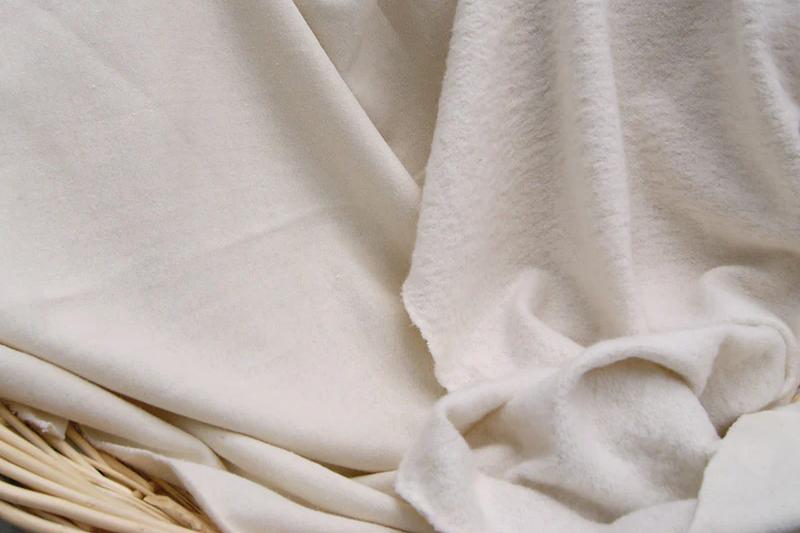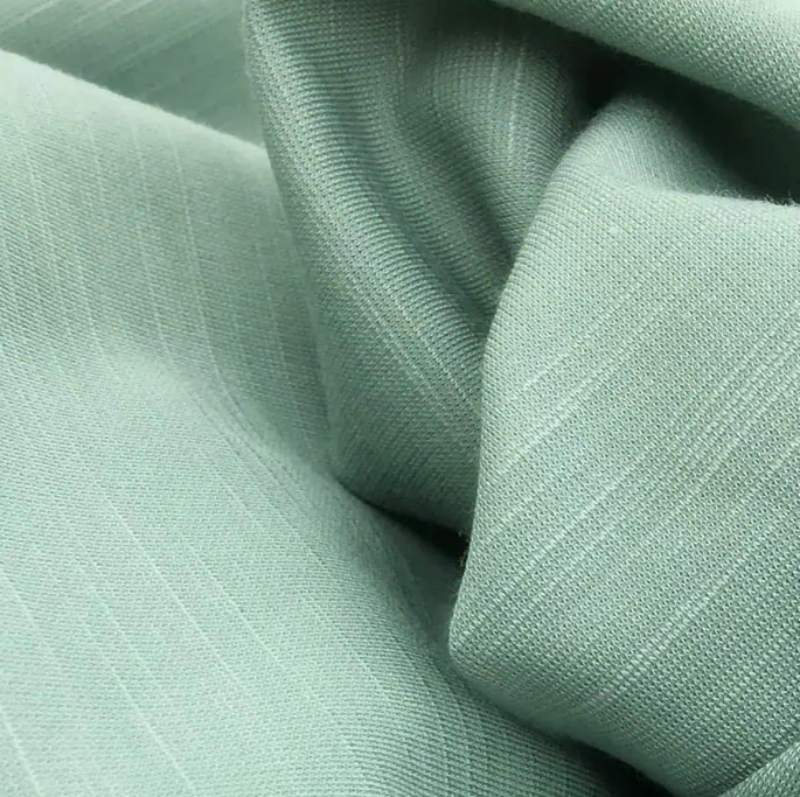
You can sew jersey knit fabric, even if you are a beginner. This fabric stands out from others because of its soft feel and natural stretch. You might notice some special traits:
- It has tiny “V” shapes on the front and “M” or “-” patterns on the back.
- The edges like to curl toward the front.
- Jersey knit fabric feels light or medium in weight, drapes nicely, and moves with you, making it perfect for comfy clothes.
Once you learn a few tricks, sewing with it gets easier and more fun.

Key Takeaways
- Use a ballpoint needle and good polyester thread. This helps make smooth and strong stitches on jersey knit fabric.
- Change your sewing machine settings. Adjust the tension and presser foot pressure. This stops puckering and keeps seams even.
- Try different stitches like zigzag or stretch stitches. These help keep seams stretchy and stop the thread from breaking.
- Wash your fabric before you start. Use pattern weights instead of pins when cutting. This keeps the fabric from getting stretched out.
- Do not worry about trying new things. Practice on scrap fabric to find the best ways to sew your projects.
Jersey Knit Sewing Challenges
Sewing with jersey knit fabric can feel a little scary at first. You might wonder, “Why does my fabric keep stretching out?” or “Why do my stitches look weird?” Don’t worry—you’re not alone! Many beginners run into the same problems when they start working with jersey knit. Let’s talk about the most common challenges and how you can spot them.
Here are the top three things that can trip you up:
- Stretched out seams: Jersey knit loves to stretch, but sometimes it stretches too much while you sew. This can make your seams look wavy or loose. It’s like pulling on a rubber band and watching it not snap back the way you want.
- Popping threads: Have you ever finished a seam, only to hear a little “pop” when you try on your project? That’s the sound of threads breaking because they can’t stretch with the fabric. It’s frustrating, but it happens to a lot of people.
- Slippage while sewing: Jersey knit can be slippery. The layers might slide around under your sewing machine foot. You might end up with uneven edges or seams that don’t match up.
Tip: If you notice your fabric curling at the edges, don’t panic! That’s normal for jersey knit. You can use a little spray starch or a cool iron to help flatten it before you sew.
Jersey knit fabric acts differently from woven cotton. It moves, stretches, and sometimes seems to have a mind of its own. But with a few tricks, you can handle these challenges. Remember, every sewist has been there. The more you practice, the easier it gets. So, take a deep breath and get ready to tackle jersey knit with confidence!
Tools and machine setup
Needles and thread for jersey knit
Let’s start with the recommended tools for sewing jersey. You need the right needle and thread to avoid skipped stitches and broken seams. A ball point needle is your best friend here. It gently pushes through the fabric without poking holes, which helps keep your jersey knit smooth. For lightweight knits, use a 60/8 or 70/10 needle. Medium-weight knits work well with 75/11 or 80/12. Heavy knits need a 90/14 or even 100/16. Check out this table for a quick guide:
| Fabric Type | Recommended Needle Sizes |
|---|---|
| Lightweight Knits | 60/8, 70/10, 75/11 |
| Medium-Weight Knits | 75/11, 80/12, 90/14 |
| Heavy Knits | 90/14, 100/16, 110/18 |
| Super-Stretch Fabrics | 65, 75, or 90 (HA x 1 SP) |
When picking thread, go for quality polyester or textured polyester. Cotton thread breaks easily and doesn’t stretch, so it’s not a good match for jersey knit. This helps you avoid skipped stitches and makes handling jersey fabric much easier.
Machine settings for jersey knit fabric
Getting your sewing machine settings right is key. Lower the tension—sometimes as low as 1 or 0—so your stitches don’t pucker or skip. Try adjusting the foot pressure and needle speed for better control. The best stitches to use are ones that stretch with the fabric. Use a zigzag stitch, lightning stitch, or triple stretch stitch. These stitch types move with your jersey knit and keep seams strong. If you follow sewing patterns, check if they suggest a specific stitch for jersey. Always test your stitch on a scrap before sewing your project.
Tip: If you cut jersey with a rotary blade, you’ll get cleaner edges and less fraying.
Do you need a serger?
You might wonder if you need a serger. A regular sewing machine works fine for most jersey projects. Sergers, though, make seams extra strong and flexible. They trim, sew, and finish edges in one step. This gives you a professional look and helps seams handle lots of stretching. Sergers are great for finishing edges, especially if your fabric likes to curl or fray. If you want factory-style seams, a serger is a good investment, but it’s not required for beginners.
How to sew jersey knit fabric
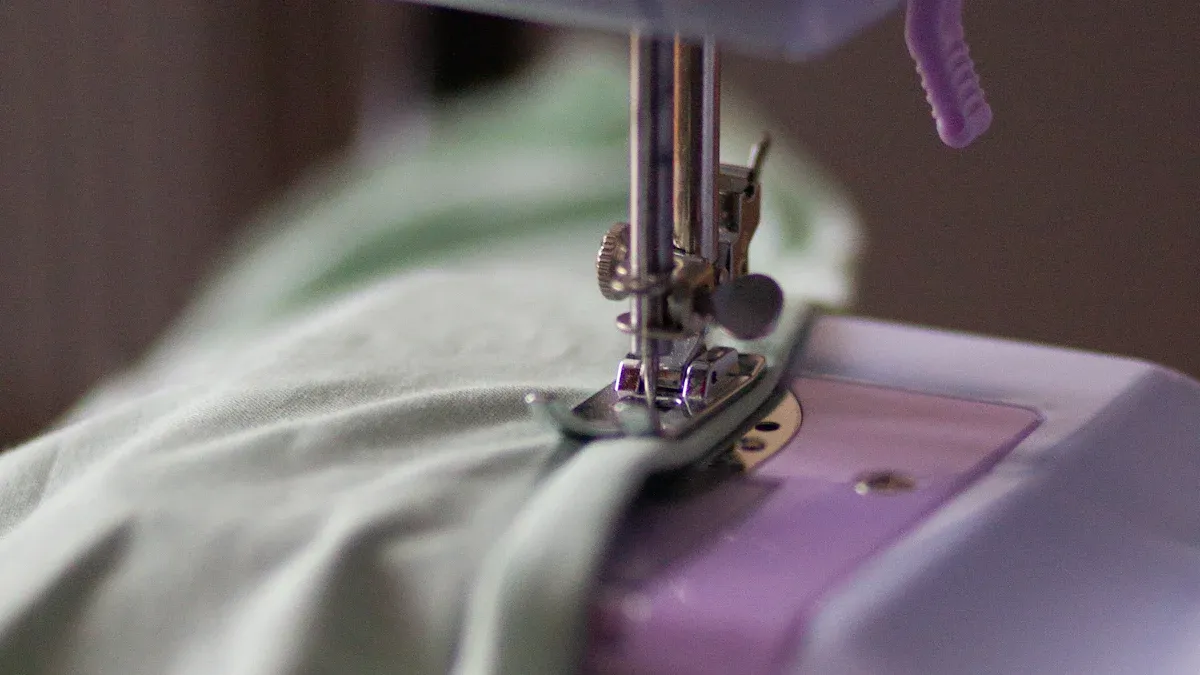
Preparing and cutting fabric
Getting ready to sew jersey knit fabric starts with smart prep. You want your t-shirts and other projects to look great and last. Here’s how to sew stretch jersey without headaches:
- Pre-wash your knit fabric. This step prevents shrinkage after sewing. Wash gently in cool or warm water, then tumble dry low. For delicate knits, check the care label. Sometimes hand washing and air drying work best.
- Lay your fabric flat on a stable surface. Smooth out any wrinkles. This helps you cut straight and avoid distortion.
- Use pattern weights instead of pins. Weights keep your pattern pieces in place without poking holes or shifting the fabric.
- Trace your pattern pieces with chalk or a washable marker. This gives you clear lines to follow.
- Cut with a rotary cutter and mat for smooth, straight edges. If you use fabric scissors, make long, even strokes.
- Place weights near overlapping pattern pieces. This makes cutting easier and helps prevent curling.
- If your edges start to curl, press them with a cool iron or use spray starch. You can also try a fabric stiffener like Terial Magic or a DIY water-soluble stabilizer solution.
Tip: Serging the edges or adding fusible interfacing can help stop curling for good. These techniques and tips make sewing jersey much easier.
Pinning and stabilizing edges
Pinning jersey knit fabric can be tricky. Regular pins sometimes leave holes or distort the fabric. Clips work better for sewing jersey. They hold layers together without damage, especially when using a serger.
When you sew stretch jersey, stabilizing the edges is key. Try these methods:
- Use knit stay tape along seams and hems. This keeps the fabric from stretching out.
- Spray starch and an iron can stiffen lightweight knit fabric edges.
- Wash-away or tear-away stabilizers help with tricky spots.
- A walking foot helps feed the fabric evenly through your machine.
Note: For cutting, use a rotary cutter, cutting mat, and pattern weights. This avoids the problems pins can cause.
Sewing seams and hems
Now it’s time to sew. The best stitches to use for sewing stretch jersey fabric are ones that stretch with the fabric. Here are some techniques and tips:
- Use a stretch stitch, like zigzag or serger stitch. These stitches move with the fabric and prevent thread from popping.
- Zigzag stitch works on most machines. The 3-step zigzag minimizes tunneling and keeps seams stretchy.
- Lightning stitch looks straight but still stretches. Triple stitch is strong for high-stress areas, like t-shirts.
- For finishing edges, try a 4-thread overlock stitch for strength or a 3-thread overlock for less bulk.
- When hemming, use spray starch to help the fabric feed smoothly. Stay tape stabilizes hems, especially on lightweight knits.
- Adjust presser foot pressure to avoid rippling. Use a stretch needle for fabrics with lots of spandex.
- Try different hemming techniques: zigzag, blind hem, twin needle, or flatlock hems.
Tip: Don’t stretch the fabric while sewing, except when attaching bands. This keeps seams flat and prevents puckering.
Using a double needle
Want a professional finish on your t-shirts? Twin ball point needles are perfect for sewing jersey hems. They create two neat lines on top and a zigzag underneath, so the hem stretches with the fabric.
Here’s how to sew stretch jersey with a double needle:
- The bobbin thread zigzags, letting the hem stretch. This is important for jersey knit fabric.
- If you see tunneling (a raised ridge between stitches), reduce needle tension. This helps the fabric lie flat.
- Fusible stretch interfacing on the folded hem can stop tunneling, especially on lightweight knit fabric.
- Woolly nylon in the bobbin adds extra stretch to the hem.
- Twin ball point needles work best for sewing jersey. They don’t poke holes and keep stitches smooth.
Note: Try different methods and techniques until you find what works for your project. Practice on scraps before sewing your final piece.
With these steps, you’ll master how to sew stretch jersey and create comfy t-shirts and other clothes. Sewing jersey gets easier with practice, and these techniques and tips will help you avoid common mistakes. Enjoy sewing stretch jersey fabric and watch your skills grow!
Troubleshooting and tips
Preventing stretching and puckering
Stretching and puckering can make sewing knit fabric feel frustrating. You want your seams to look smooth, not wavy or bunched up. Here are some steps to help you sew without these problems:
- If you see puckering, check your stitch length. Try a longer stitch and loosen the tension. This helps relax the seam.
- Lower the sewing machine foot pressure. Less pressure keeps the knit fabric from stretching out and turning wavy.
- Adjust the tension settings. Looser tension can prevent puckering and keep your stitches even.
Tip: Always use a ball point needle when you sew knit fabric. The ball point slides between the fibers instead of piercing them, which helps avoid damage and keeps your stitches neat.
Using a walking foot
A walking foot can make sewing knit fabric much easier. This special foot grips both layers and feeds them evenly. You get flat seams and avoid stretching the top layer out of shape.
- The walking foot gives extra grip, so both layers move together.
- It helps keep the natural drape of your knit fabric, which is great for t-shirts.
- The walking foot gently guides the material without stretching it, so your seams stay flat.
A regular presser foot can pull and distort the top layer, causing wavy seams. If you want a smooth finish, try using a walking foot with your ball point needle.
Testing on scrap fabric
Before you sew your project, test your settings on a scrap piece of knit fabric. This step saves you time and fabric.
- Try different stitches and settings on scraps. You can see what works best for your knit fabric.
- Every knit fabric acts differently. Testing helps you find the right tension, stitch length, and needle type.
- Mistakes on scraps are easy to fix. You avoid wasting your good fabric.
Note: Use a ball point needle for all your tests. This helps you see how your machine will sew the real project.
FAQ
What needle should I use for jersey knit fabric?
Use a ballpoint or stretch needle. These needles slide between the fibers instead of poking holes. Your stitches will look smoother, and you’ll have fewer skipped stitches.
Can I sew jersey knit fabric without a serger?
Yes! A regular sewing machine works fine. Try a zigzag or stretch stitch. You’ll get strong seams that move with your fabric. Sergers help, but you don’t need one to start.
Why does my jersey fabric curl at the edges?
Jersey knit likes to curl toward the front. This is normal. You can flatten the edges with a cool iron, spray starch, or by using pattern weights while cutting.
How do I stop my seams from stretching out?
Lower your presser foot pressure and use a walking foot if you have one. Don’t pull the fabric as you sew. Try stay tape or stabilizers for extra support.
What thread works best for sewing jersey knit?
Polyester thread is your best choice. It stretches with the fabric and doesn’t break easily. Cotton thread snaps and doesn’t stretch, so avoid it for jersey projects.