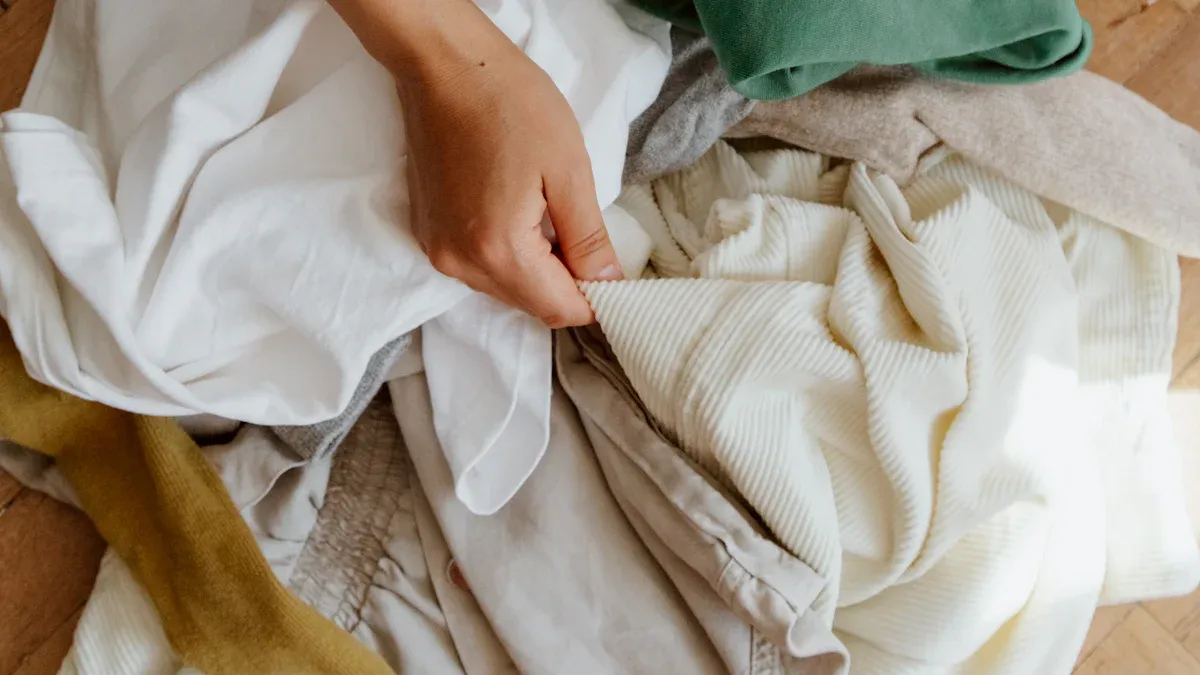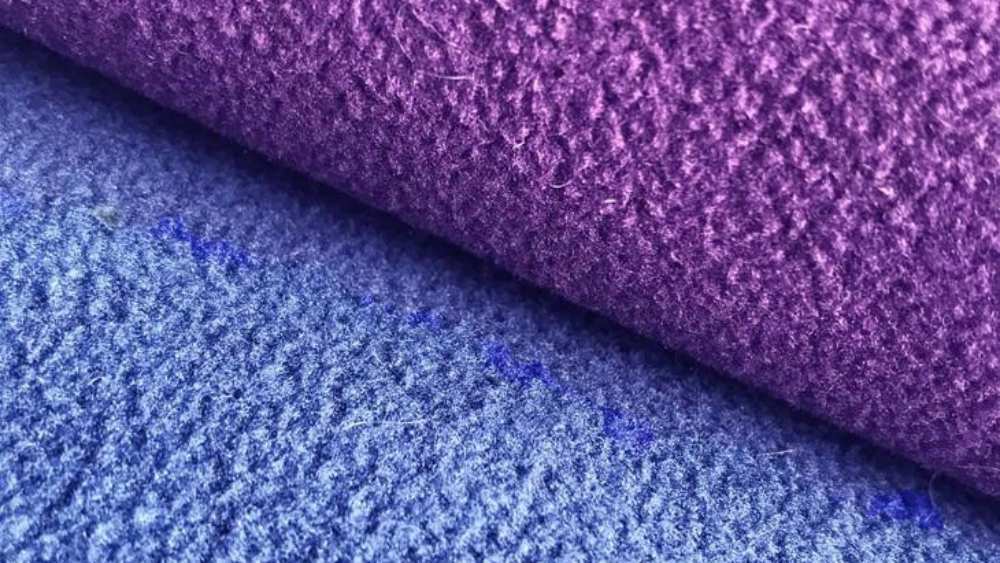
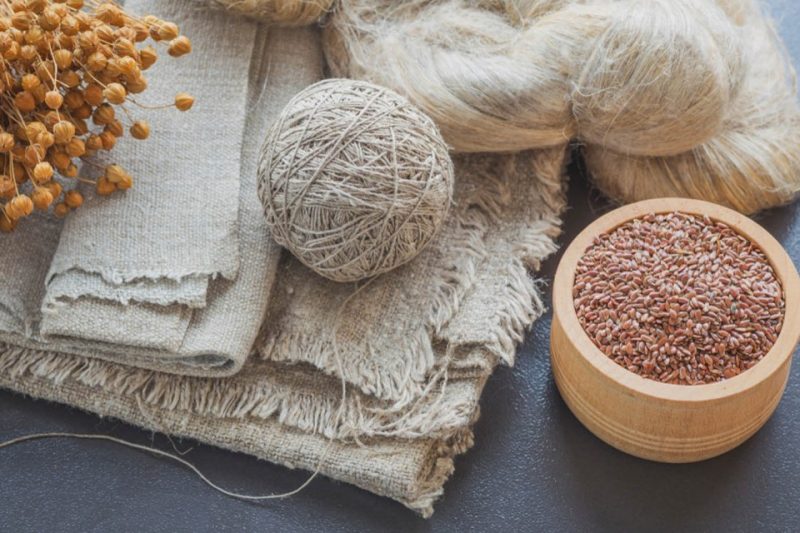
Cotton, linen, hemp, wool, silk, cashmere, alpaca, and bamboo (when mechanically processed) are some main 100% natural fabrics. Picking a natural fabric can make you feel more comfortable. It can also help you live healthier. Many natural fabrics have special benefits:
- Cotton and linen can keep your skin dry. They pull sweat away from your body.
- Silk and wool are usually hypoallergenic. They are soft on sensitive skin.
- Linen can protect you from the sun’s UV rays.
- Wool is strong and lasts a long time.
- Most natural fabrics break down easily. They are better for the environment.
Key Takeaways
- Pick natural fabrics like cotton, linen, and hemp for comfort. These fabrics let air pass through. They help your skin stay dry and cool.
- Choose organic fabrics to help the planet. Organic cotton and linen use less chemicals. They are safer for nature.
- Check for labels like GOTS when you shop. These labels show the fabric has no bad chemicals. They also support fair work.
- Natural fabrics break down fast in nature. This means less trash. They are better for Earth than synthetic fabrics.
- Try using natural fabrics in your daily life. You can use them for clothes and bedding. They give comfort and help the planet.
Main Types of 100% Natural Fabrics
Cotton and Organic Cotton
Cotton is a very common natural fabric. It comes from the cotton plant. Cotton feels soft and lets your skin breathe. It is also strong and lasts a long time. People like to use cotton for clothes and bedding. It feels gentle and keeps you cool.
| Fabric Type | Primary Source |
|---|---|
| Cotton | Cotton plant |
| Wool | Sheep |
| Flax | Flax plant |
Organic cotton is grown without bad chemicals or pesticides. It does not use genetically changed seeds. This makes it safer for farmers and the earth. Here are some ways organic cotton is different from regular cotton:
- Organic cotton uses natural fertilizers, not chemical ones.
- Regular cotton uses lots of chemicals that can hurt the soil and water.
- Organic cotton farming uses less water and helps nature.
- Workers in organic cotton fields are safer from harmful chemicals.
| Property | Description |
|---|---|
| Natural softness and comfort | Organic cotton feels soft and nice. |
| Breathability | It lets air move through, so you stay comfy. |
| Hypoallergenic | It has no chemicals, so it is good for sensitive skin. |
Both cotton and organic cotton are strong and last a long time. They are easy to wash and take care of. That is why many people wear them every day.
Tip: Picking organic cotton helps stop pollution and helps farmers live better.
Linen and Organic Linen
Linen comes from the flax plant. It is a popular natural fabric for hot weather. Linen lets air move and soaks up sweat fast. It is strong and gets softer each time you wash it.
| Step | Description |
|---|---|
| Harvesting | Flax plants are pulled out to keep the fibers long and strong. |
| Retting | The stalks are soaked or left in dew to get the fibers out. |
| Breaking and Scutching | The stalks are broken and cleaned to get the good fibers. |
| Hackling | Fibers are combed to make them smooth and ready for spinning. |
| Spinning and Weaving | The fibers are spun into yarn and woven into linen fabric. |
Organic linen is made without fake chemicals or fertilizers. It helps keep the soil healthy and supports more plants and animals. Here are some good things about linen and organic linen:
- Linen needs less water and fewer chemicals than cotton.
- It helps farms and nature stay healthy.
- It stops soil from washing away and keeps water clean.
- It helps many kinds of plants and animals live.
Linen and organic linen are both good for the earth. They are soft on skin and look shiny and nice.
Hemp and Organic Hemp
Hemp is a strong natural fabric made from the hemp plant. It grows fast and does not need much water. Hemp is good for the earth and breaks down easily.
| Crop | Water Required (litres) | Yield (kg/ha) |
|---|---|---|
| Hemp | 4.23 | 1200–2000 |
| Cotton | 57.1 | 300–1100 |
Hemp uses much less water than cotton. It also needs fewer chemicals. Hemp helps the soil and brings bees and other insects. Organic hemp is grown without fake chemicals. It helps farmers grow different crops and is good for nature.
- Hemp grows very fast and takes in a lot of carbon dioxide.
- It is strong, lasts a long time, and gets softer as you use it.
- Hemp fabric lets air move and feels nice to wear.
Note: Picking organic hemp helps nature and supports fair work for farmers.
Wool and Alpaca
Wool comes from sheep. Alpaca fiber comes from alpacas. Both are natural fabrics that are warm and soft. Wool is strong and keeps you warm even if it gets wet. Alpaca is even warmer and feels softer than wool.
- Alpaca fibers are hollow, so they trap heat well.
- Alpaca is softer and less itchy than most wool.
- Alpacas are better for the earth because they need less water and food.
| Fiber Type | Carbon Footprint (kg CO2e/kg) | Environmental Impact Assessment | Sustainability Rating |
|---|---|---|---|
| Alpaca | 53 | Not much info available | More sustainable than wool (CFDA, 2022) |
| Wool | Varies (over half from fiber making) | Studies available (Brock et al., 2013) | Rated poorly by SAC (Watson and Wiedemann, 2019) |
| Cotton | 45% from fiber production | Studies available (Schmutz et al., 2021) | N/A |
Wool and alpaca are both renewable and break down in nature. Alpaca is often seen as better for the earth because it has a smaller impact.
Silk and Cashmere
Silk is made by silkworms. Cashmere comes from cashmere goats. Both are fancy natural fabrics with special qualities.
| Feature | Cashmere | Silk |
|---|---|---|
| Insulation / Warmth | Very warm; traps heat; great for cold weather | Medium warmth; keeps you cool or warm |
| Softness | Very soft and cozy; gets softer over time | Smooth and cool; slides easily on skin |
| Breathability / Moisture Management | Lets skin breathe; soaks up moisture | Soaks up moisture but does not feel wet |
| Strength | Fine fibers can break; needs gentle care | Very strong for its size |
| Pilling | Can get fuzzy balls; can be fixed with a comb | Rarely gets fuzzy; stays smooth |
| Longevity | Lasts 10–15 years with care | Can last many years if stored well |
Silk is shiny, smooth, and cool. Cashmere is soft, warm, and feels rich. Both let your skin breathe and help control your body temperature.
Eco-friendly silk and cashmere care about animals and workers. Labels like Global Organic Textile Standard (GOTS) and Sustainable Fibre Alliance (SFA) show they are made the right way.
Bamboo (Mechanically Processed)
Bamboo fabric can be made two ways: by machine or with chemicals. Mechanically processed bamboo, called bamboo linen, uses natural helpers to turn bamboo into fibers. This way is better for the earth and does not use bad chemicals.
| Type of Bamboo Fabric | Production Method | Environmental Impact |
|---|---|---|
| Mechanically Processed (Bamboo Linen) | Uses natural helpers to break bamboo into fibers. | Better for the earth, no chemicals, takes more work. |
| Chemically Processed (Bamboo Viscose/Rayon) | Uses bad chemicals like carbon disulfide and sodium hydroxide. | Can make toxic waste, not as good for nature. |
Mechanically processed bamboo fabric lets air move and feels soft. It fights germs naturally. It is good for people with sensitive skin. Using bio-fermented water means fewer harsh chemicals, so bamboo fabric is better for the earth.
- Bamboo fabric is comfy and keeps you cool.
- It fights bacteria and smells.
- Bamboo grows fast and does not need much water or chemicals.
Tip: Always check if your bamboo fabric is made by machine for the best choice for nature.
Other Natural Fabrics
Some less common 100% natural fabrics have special uses. These come from plants and other natural things.
| Fabric Type | Unique Properties | Uses |
|---|---|---|
| Lotus Flower Fiber | Soft, light, lets air move, fights germs; may help health | Hand-made scarves; may help with headaches, heart, asthma, and lungs |
| Pineapple Fiber | Soft, smooth, stronger than cotton; like flax and jute | Used in ground covers, vegan leather (Piñatex®), and as strong material |
| Coffee Grounds Fabric | Fights smells, protects from sun, dries fast | Shoes (Nat-2™), yarn (S.Café®) with extra features |
| Prickly Pear Leather | Soft, breaks down in nature, works well; feels like leather | Fashion, leather goods, fancy boxes, car parts |
| Banana Fiber | Soft, light, strong, waterproof; made in a green way | Bags, backpacks, shoes, eco-friendly furniture covers |
These natural fabrics break down in nature and are often made in earth-friendly ways. They give people new choices for green and smart textiles.
How to Identify Natural Fabrics
Checking Labels
Labels can help you know what fabric you have. When you shop, look for words like cotton, linen, hemp, bamboo, wool, or silk. Try to find organic certifications like the Global Organic Textile Standard (GOTS). This means the product follows strict rules for being green and safe for nature. Brands that care about the earth often show this on their tags or boxes. You can also look up brands online to see if they use natural fibers and help the planet.
| Certification Label | Description |
|---|---|
| Global Organic Textile Standard (GOTS) | Makes sure cotton is made without bad chemicals and supports fair work for farmers. |
| OEKO-TEX Standard 100 | Shows the fabric has no harmful chemicals and is safe for sensitive skin. |
| Organic Content Standard (OCS) | Checks how much organic material is in mixed fabrics. |
| Made With Organic Materials Label | Means the product uses organic materials; check the percent of organic content. |
| Fair Trade Certified | Supports fair rules and good pay for farmers. |
Tip: Always read the label closely. Certifications help you pick real natural fabrics.
Touch and Feel
Natural fabrics each feel different. Cotton is soft and soaks up sweat. Linen feels rough at first but gets softer after washing. Wool is warm and a little bouncy. Silk is smooth and shiny. Bamboo fabric feels cool and soft, and it hangs nicely. Natural fibers like hemp and bamboo let air move and feel comfy. When you touch natural fabrics, they are usually softer and bend more than fake ones.
- Cotton: Soft, lets air in, and soaks up water.
- Linen: Feels rough, cool, and gets softer with time.
- Wool: Warm, stretchy, and has a wavy feel.
- Silk: Smooth, shiny, and cool to touch.
- Bamboo: Silky, soft, and pulls sweat away.
Visual Signs of Natural Fabrics
You can spot natural fabrics by looking at them closely. Natural fibers often have tiny bumps or uneven spots. The weave may not look perfect. Pure cotton and linen do not shine much, but fake fabrics are often shiny. Bamboo and hemp fabrics may show little fibers you can see. Check for labels like USDA Organic or GOTS. Natural dye colors can change a bit in organic cotton and bamboo. Thicker fabrics often mean better quality.
- You can see fibers and small bumps
- Not shiny, looks more flat
- Colors may change a little
- Look for certification logos on tags
Simple Home Tests
There are easy ways to tell natural fabrics from fake ones. The scrunch test is simple: natural fabrics wrinkle fast, but fake ones stay smooth. The hand test lets you feel if the fabric is soft and bends easily. The burn test is another way. Carefully burn a small piece of the fabric. Natural fibers like cotton, linen, bamboo, and hemp turn to ash and smell like paper. Fake fabrics melt and smell like plastic.
Note: Be careful with burn tests. Try other ways first to stay safe.
Natural Fabrics vs. Blends and Synthetics
What Are Blended Fabrics?
Blended fabrics are made by mixing two or more fibers. This helps the fabric look better and last longer. For example, cotton and polyester can be mixed. The shirt feels soft but is also strong. It does not wrinkle easily. Blended fabrics often cost less money. They are easier to wash and take care of. Blends use the best parts of each fiber.
- Blended fabrics mix different fibers together.
- They make clothes more comfy and strong.
- Many shirts and pants use blends for better wear.
What Are Synthetic Fabrics?
Synthetic fabrics are made from chemicals in factories. They do not come from plants or animals. Polyester, nylon, acrylic, and spandex are common types. Factories use special steps to make these fibers. Synthetic fabrics are tough and do not wrinkle much. They dry fast and are used for sports and outdoor clothes.
- Polyester is tough and does not wrinkle.
- Nylon is strong and very light.
- Acrylic feels like wool and keeps you warm.
- Spandex stretches a lot for sports clothes.
- Bamboo rayon is made from bamboo pulp and is semi-synthetic.
Natural vs. Blended and Synthetic Fabrics
Natural fabrics come from plants or animals. Examples are cotton, linen, hemp, wool, silk, and bamboo. They let air move and feel soft. They break down in nature. Blended and synthetic fabrics do not shrink or wrinkle much. They last longer but do not let air move as well.
| Fabric Type | Comfort | Breathability | Durability | Sustainability |
|---|---|---|---|---|
| Natural Fabrics | Soft, gentle | Excellent | May wear faster | Biodegradable, eco-friendly, renewable |
| Synthetic Fabrics | Engineered feel | Traps heat | Very durable | Not biodegradable, uses fossil fuels |
| Blended Fabrics | Mixed | Varies | Improved | Less sustainable, harder to recycle |
Natural fabrics help the earth because they use things that grow back. They break down over time. Synthetic and blended fabrics can hurt nature. They make tiny plastic bits and use more energy.
How to Tell Them Apart
- Read the label for words like 100% cotton, linen, hemp, bamboo, or wool. Blends list more than one fiber.
- Look for green or organic labels.
- Try a burn test with an adult. Natural fabrics turn to ash and smell like paper. Synthetics melt and smell like plastic.
- Touch the fabric. Natural ones feel softer and let air move.
Tip: Picking natural and green fabrics helps the earth and supports eco-friendly living.
Benefits and Uses of Natural Fabrics
Comfort and Breathability
Natural fabrics are very comfy and let air move. Cotton soaks up sweat and lets your skin breathe. Linen has a loose weave, so air flows through it. It dries fast. Wool helps keep your body at the right temperature. It also moves sweat away from your skin. The table below shows how each fabric feels and breathes:
| Fabric | Key Characteristics | Advantages | Limitations | Optimal Applications |
|---|---|---|---|---|
| Cotton | Excellent moisture absorption (up to 25% of its weight), good air permeability | Natural comfort, excellent moisture absorption, biodegradable | Slow drying, reduced performance when wet, potential shrinkage | Casual wear, everyday comfort clothing, humid climate apparel |
| Linen | Superior air permeability due to loose weave, natural air spaces | Exceptional air flow, quick drying, improves with washing | Wrinkles easily, can feel rough initially, limited stretch | Summer clothing, relaxed professional wear, warm climate apparel |
| Wool | Unique breathability through natural fiber crimp, moisture-wicking properties | Temperature regulation, odor resistance, moisture management | Care requirements, potential allergies, higher cost | Performance base layers, outdoor clothing, temperature-varying environments |
Wool is great for hiking or biking because it keeps you comfy. Linen and cotton are best for hot days. They help you stay cool and dry.
Environmental Impact
Natural fabrics are better for the earth. Most plant fibers, like cotton, linen, and bamboo, come from plants that grow back. These fabrics break down in nature, so there is less trash. Organic fabrics use fewer chemicals. They help keep soil and water clean. Picking green clothes helps stop pollution. It also makes the planet healthier. Many brands now use organic silk and other green choices to help nature.
Choosing natural fabrics is an easy way to help the earth every day.
Durability and Care
Natural fabrics can last a long time if you care for them. Some, like silk, need gentle washing or dry cleaning. Others, like hemp and wool, are strong and do not wear out fast. The table below shows how long they last and how to care for them:
| Fabric Type | Durability | Care Requirements |
|---|---|---|
| Natural Fabrics | Can be long-lasting but some are delicate (e.g., silk) | May require special care like dry cleaning or hand washing |
| Synthetic Fabrics | Generally more durable but prone to pilling and fading | Typically easier to care for than natural fabrics |
Organic fabrics may need more care. But they are good for your health and the earth, so they are a smart pick.
Everyday Uses of 100% Natural Fabrics
Natural fabrics are used in lots of things. Cotton is found in T-shirts and underwear. Linen is great for summer clothes. Wool is used for sweaters and coats. Hemp is strong and good for work clothes. Silk and cashmere make shirts and jackets feel fancy. The table below shows where these fabrics are used:
| Fabric | Common Uses in Clothing and Textiles | Properties |
|---|---|---|
| Cotton | T-shirts, shirts, underwear, children’s wear | Softness, breathability, durability |
| Linen | Summer apparel, casualwear, beachwear, lightweight suits | Strength, breathability, moisture-wicking |
| Wool | Sweaters, cardigans, coats, jackets | Insulation, moisture-wicking, breathability |
| Hemp | T-shirts, trousers, dresses, workwear | Strength, durability, environmental benefits |
| Silk | Blouses, shirts, camisoles | Luxurious feel, elegant appearance |
| Cashmere | Jackets, sweaters, cardigans | Softness, warmth, premium quality |
You can also find natural fabrics in sheets and towels. Many people pick them for comfort and because they are good for the earth. Green fashion uses these fabrics to make cool and smart clothes.
Natural fabrics such as cotton, linen, hemp, wool, silk, and bamboo have lots of good points. These materials are comfy and can help you stay healthy. Picking natural fabrics is better for the earth. Always look at labels before you buy something. You can use natural fabrics for clothes, sheets, and more. Make smart choices for yourself and for the planet.
FAQ
What is the difference between tencel and ecovero?
Tencel is made from wood pulp, usually eucalyptus. Ecovero uses wood from forests that are certified. Both fabrics are soft and good for the earth. Tencel feels smooth and cool when you touch it. Ecovero is gentle on your skin and is better for nature.
Are tencel and ecovero natural fabrics?
Tencel and ecovero come from plants. Factories use special steps to turn wood into fibers. These fabrics are not fully natural like cotton. But they are kinder to the earth than most fake fabrics.
How do tencel and ecovero compare to cotton?
Tencel and ecovero soak up water better than cotton. They feel softer and do not wrinkle as much. Cotton is used more often, but tencel and ecovero need less water and fewer chemicals. Many people pick tencel for comfort and ecovero to help the planet.
Can I wash tencel and ecovero at home?
You can wash most tencel and ecovero clothes at home. Use cold water and a gentle wash cycle. Do not use bleach. Hang your clothes to dry for best results. Always read the care label before you wash them.
Why are tencel and ecovero considered sustainable?
Tencel is made in a way that recycles water and solvents. Ecovero comes from forests that are managed well. Both fabrics help cut down on pollution and waste. Tencel and ecovero use fewer resources and help protect nature.