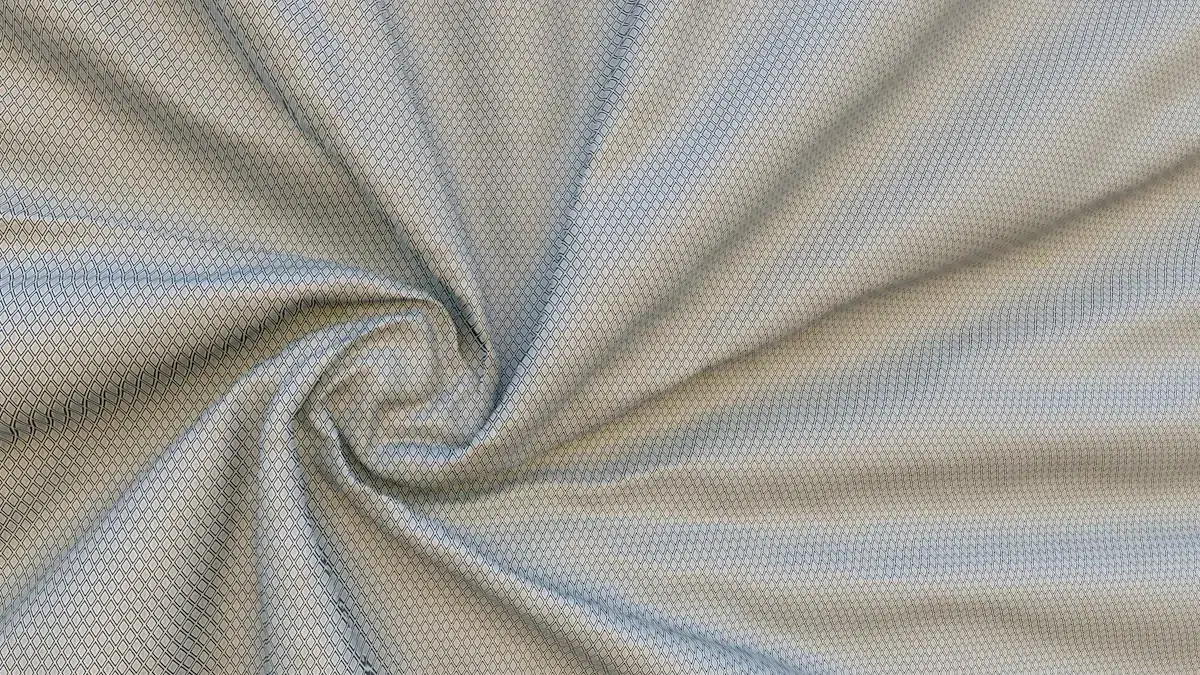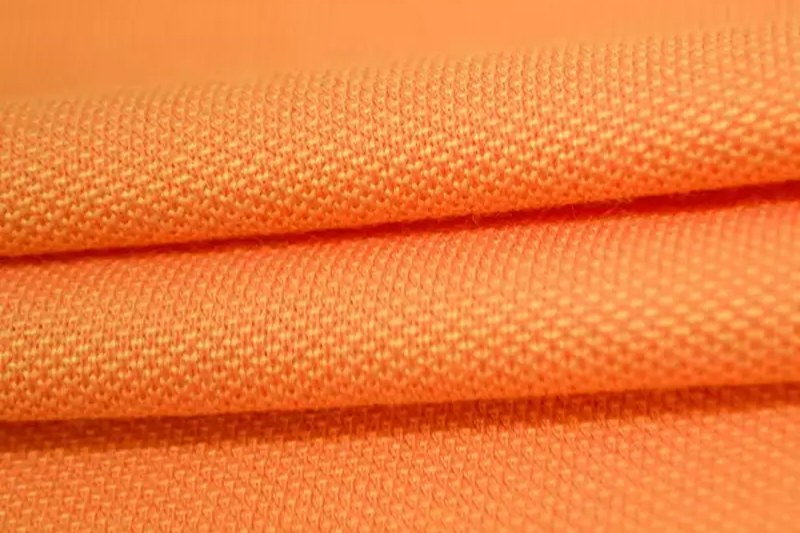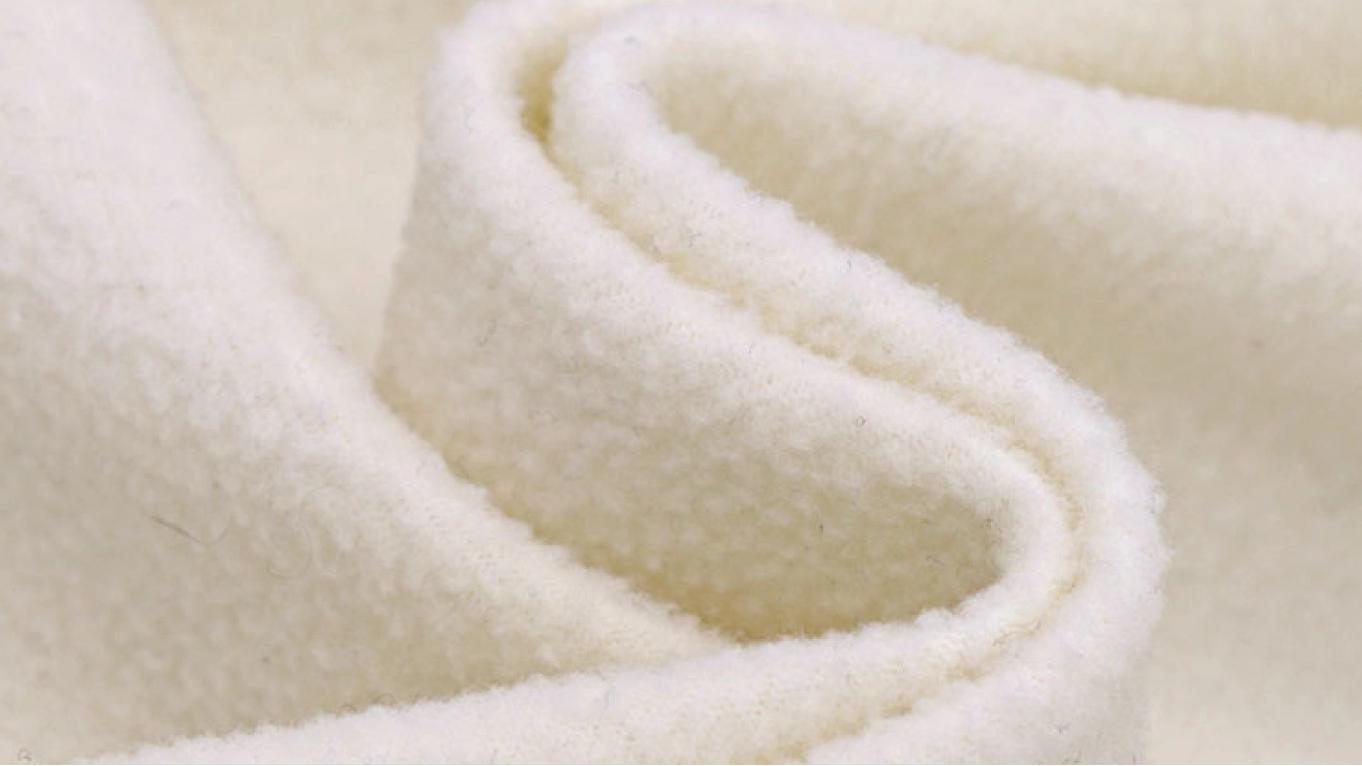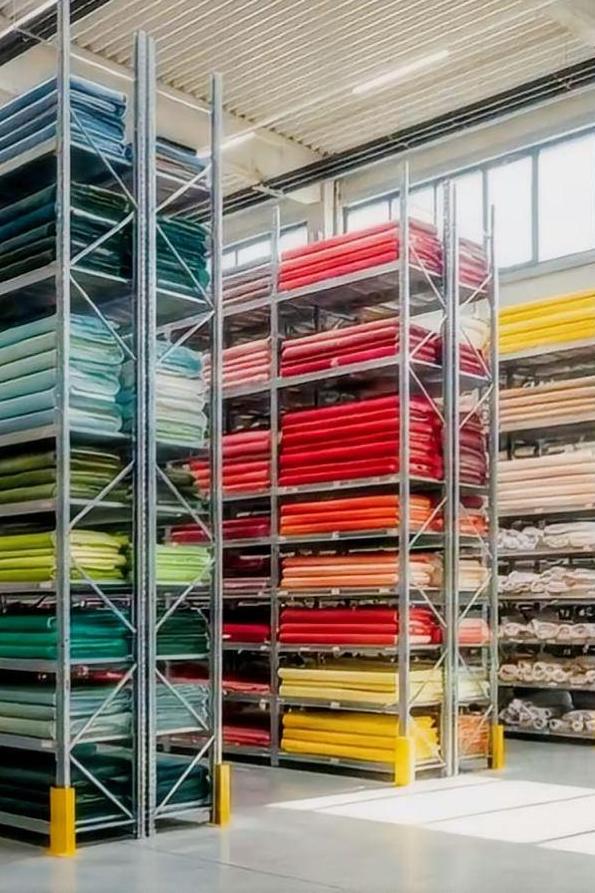
Bonded fabrics have many important uses in different industries. These materials are used in healthcare. They make up about 40% of the world’s heat bonded nonwoven fabric market. This is because there is a big need for disposable medical items. Bonded fabric is also used in the automotive industry. This industry is growing fast and wants lighter materials. People pick bonded fabric because it is strong and comfortable. It also has special features like water resistance and easy care. These qualities make bonded fabrics a smart choice for daily life.
Key Takeaways
- Bonded fabrics are tough and feel good to wear. They keep water out, so they work well for clothes and outdoor gear. These fabrics are used a lot in healthcare. People use them for things like masks and gowns. They help stop germs from spreading. Bonded fabrics are good for the planet. Many are made from recycled stuff. This helps cut down on trash and keeps nature safe. In homes, bonded fabrics are simple to clean. They are easy to take care of, so they fit busy families. Big companies use bonded fabrics in cars and buildings. They last a long time and are light, which makes products work better.
Apparel and Everyday Uses of Bonded Fabrics
Bonded fabrics are important in making clothes. People like these materials because they are strong and comfortable. They also keep water out. More people use bonded fabric every day because it lasts long and can be used in many ways. Clothes made from bonded fabric are easy to wash and do not wear out quickly.
Jackets and Sportswear
Jackets and sportswear often have bonded fabric. This fabric keeps you warm and dry. Puffer jackets, parkas, and windbreakers use bonded fabric for outdoor fun. These jackets stop water and wind from getting in. They are also light and soft to wear. Bonded fabric works well in cold or wet weather. Many athletes and hikers choose these clothes for their trips. Bonding makes layers that water cannot get through. This is great for people who spend time outside.
Tip: Always read the care label on bonded fabric clothes. Some need special washing to stay nice and work well.
Fashion and Daily Wear
Fashion designers use bonded fabric for cool and useful clothes. These clothes look new and feel good to wear. Many brands now use recycled shopping bags and other recycled fabrics. This helps the planet. Bonding lets people make clothes without sewing, which saves time and energy. You can find pants, skirts, and hats made from bonded fabric in stores. These items are strong and easy to clean. The bonding process also helps make fashion better for the earth. More people want clothes that last long and do not make much waste.
Bonded fabrics are changing how people see clothes. They give style, comfort, and protection all together.
Home Furnishings and Upholstery with Bonded Fabric
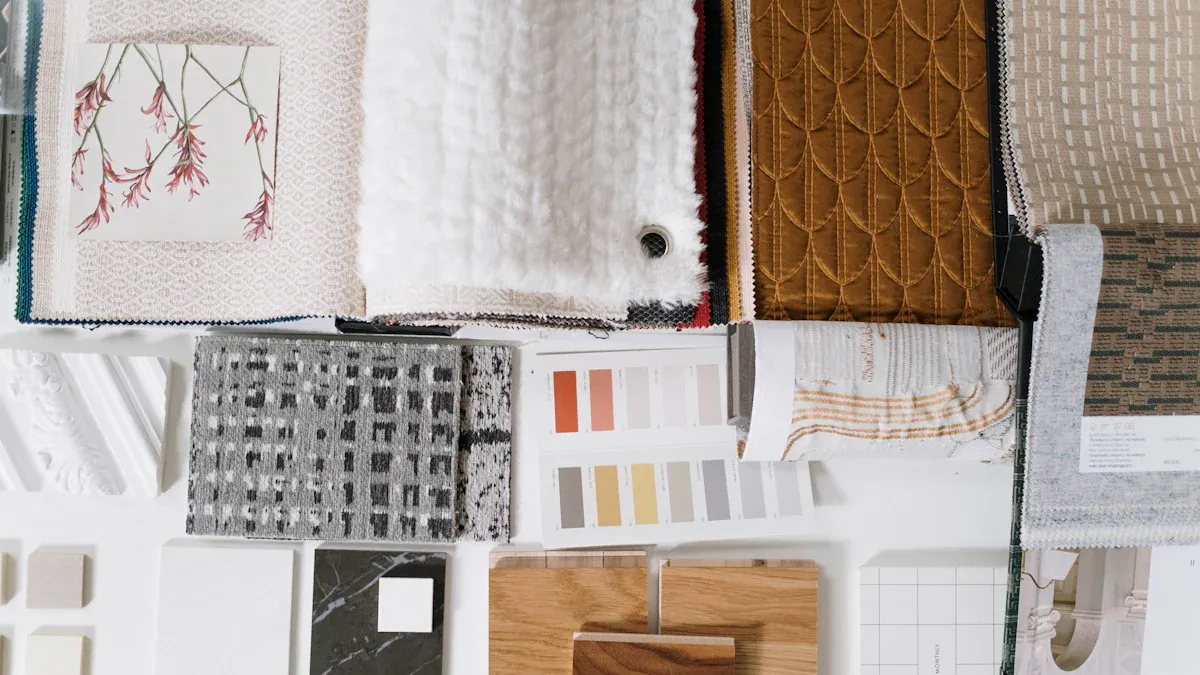
Furniture and Upholstery
Bonded fabric is used a lot in furniture. Sofas, chairs, and headboards often have this material. It is strong and simple to clean. Layers are joined together to make it last longer. This helps furniture stay nice even with daily use. Some companies use recycled things in their bonded fabric. This helps protect the environment.
You can find bonded fabric in:
- Cushions
- Headboards
- Sofas
- Dining chairs
Bonded fabric can have special features. Some types do not let stains or water soak in. This is good for homes with kids or pets. People like these items because they look nice for a long time.
Note: You can clean bonded fabric furniture with a quick wipe. This makes cleaning easy and fast.
Bed Covers and Curtains
Bonded fabric is used for bed covers and curtains too. The bonding process makes them soft and neat. Bedspreads, duvet covers, and pillow shams are easy to wash. They keep their shape well. Curtains made with bonded fabric can block light. They also make rooms look stylish.
Some table linen uses bonded fabric, like placemats and tablecloths. These are simple to care for and last after many washes. Bonded fabrics work well for busy families.
Bonding helps make home products useful and nice looking. It makes them stronger and more comfortable. Many people pick bonded fabric for their homes.
Disposable and Medical Products Made from Bonded Fabrics
Bonded fabric is important for medical and disposable products. Hospitals and clinics use it to help keep people safe. The bonding makes a strong shield that blocks germs and liquids. This helps items stay clean and safe. Using bonded fabric shows how useful it is for hygiene and ease.
Medical Masks and Gowns
Medical masks and gowns use bonded fabric. These items protect doctors, nurses, and patients from germs. The layers in the fabric stop bacteria and viruses. Many masks and gowns are light and let air through. People can wear them for hours without discomfort. Hospitals pick bonded fabric because it does not cause skin problems. The bonding also makes these products tough and long-lasting.
Here is a table that lists the benefits of bonded fabric in medical products:
| Property | Benefit in Medical Products |
|---|---|
| Excellent barrier | Stops germs from spreading |
| Hypoallergenic | Lowers chance of skin issues |
| Lightweight | Makes wearing more comfortable |
| Breathable | Keeps users cool and comfy |
Bonded fabrics help hospitals stay clean and safe. How well these products work matters a lot in healthcare.
Table Linen and Cleaning Cloths
Bonded fabric is used for table linen and cleaning cloths too. Restaurants and homes use tablecloths and napkins made from it. These items are easy to use and throw away. This saves time and keeps things clean. Cleaning cloths made with bonding are strong and soak up spills well. They do not break apart easily. Some cloths use recycled shopping bags, which is better for the planet.
Bonded fabric is easy to care for and makes less waste. Many companies use recycled materials to make these items. This helps the earth and supports green living. Bonding methods help these products last longer and work better. Both clothes and medical items need strong bonding.
Tip: Pick cleaning cloths and table linen made from recycled bonded fabric for a greener home.
Bonded fabric keeps changing how people think about hygiene and ease. Its strength and simple care make it a top pick for many disposable products.
Technical and Industrial Uses of Bonded Fabric
Bonded fabric is important in many technical and industrial jobs. Companies pick it because it is tough, bends easily, and simple to clean. Bonding gives the fabric special powers for hard work places.
Construction and Filtration
Bonding helps construction materials last longer and stay strong. Nonwoven polyester fabrics are used since they hold up well and fight chemicals. These fabrics can carry heavy things and stand up to bad weather. Bonding adds water resistance and keeps heat in better. Some construction fabrics get extra help, like flame retardants or coatings that fight germs.
Filtration systems use bonded fabric to catch dust and dirt. Bonding makes a steady surface with tiny holes. Air or water can move through but blocks things you do not want. This makes filters work better and last longer.
Note: Bonded fabric for construction and filtration often uses recycled stuff, like old shopping bags, so it is good for the planet.
Industrial Applications
Bonded fabric is used in lots of industries because it lasts and works in many ways. Here are some common uses:
- Automotive: seat covers, floor mats, and inside linings
- Outdoor equipment: camping tents, backpacks, and covers
- Home furnishings: upholstery and curtains
- Industrial textiles: special fabrics for building and filtering
| Industry | Applications |
|---|---|
| Automotive | Car seats, covers, and inside roof liners |
| Outdoor Equipment | Tents, backpacks, and covers |
| Industrial Applications | Medical fabrics, special fabrics for building |
Bonded fabric is becoming more popular in cars and planes. Companies want materials that are light, work well, and last long. This makes people invent new ways to bond fabric.
Stitch-Bonded Non-Woven Material
Stitch-bonded non-woven materials are a special kind of bonded fabric. Stitching makes these fabrics very strong and hard to rip. They keep their shape even when pulled or heated. Stitch bonding also helps control how much air goes through, which matters for medical and technical things.
Some big benefits of stitch-bonded non-woven materials are:
- They last long and do not wear out fast
- They save money for companies
- They keep their shape under pressure
- They can be changed for different jobs
Stitch-bonded fabrics are often stronger and handle heat better than other bonded fabrics. They are used in hospitals, cars, building, and furniture. Using bonded fabric like this helps companies make safe and good products. Using recycled materials in bonding also helps protect the earth.
Bonded fabrics are used in clothes, home items, medical things, and factories. They are strong, feel good, and are simple to clean. Many products use them because they work well. New ways to bond and green materials are changing these fabrics.
- Better bonding helps make less trash and better products.
- More businesses pick bonded fabrics for clean, car, and building needs.
- Saving resources and smart machines help these markets grow.
Bonded fabrics help with everyday needs and new ideas.
FAQ
What is stitch-bonded non-woven material?
Stitch-bonded non-woven material is made by stitching fibers together. This makes the fabric strong and light. It can bend easily and does not break fast. Many industries use it because it is tough and simple to use.
How does stitch-bonded non-woven material differ from other non-woven materials?
Stitch-bonded non-woven material uses stitches to join fibers. Other types use glue or heat instead. Stitch-bonded non-woven material stays in shape longer. It also lasts more than most other non-woven materials.
Where can I find stitch-bonded non-woven material in daily life?
You can see stitch-bonded non-woven material in car seats and cleaning wipes. Medical gowns use it too. Many things at home have this material for comfort and strength. Outdoor gear and furniture often use it as well.
Why do companies choose stitch-bonded non-woven material?
Companies like stitch-bonded non-woven material because it is strong and saves money. It does not tear easily and works in many places. Making it is simple and it uses recycled fibers to help the planet.
Is stitch-bonded non-woven material good for the environment?
Stitch-bonded non-woven material helps the earth. Many products use recycled fibers to cut down on waste. This saves resources and makes less trash. It lasts longer so people do not throw it away quickly.