Jacquard knit fabric usually offers some stretch. The amount of stretch in jacquard knit fabric depends on how the fabric is made and the types of fibers used. People who sew or wear clothing often want to know about the stretch in jacquard knit fabric, as it helps them choose the right material for comfort, fit, and care.
Key Takeaways
- Jacquard knit fabric can stretch because of how it is made. This makes it comfy for clothes and things in your home. The stretch changes depending on what fibers are used. The way the fabric is knit also matters. If the fabric has elastic fibers, it can stretch even more. Always look at which way the fabric stretches before you sew. This helps your project fit well and feel good. Jacquard knit works great for activewear and tight clothes. It moves with your body and keeps its shape. Take care of the fabric by washing it in cold water. Lay it flat to dry so it stays stretchy and lasts longer.
jacquard knit fabric stretch
what is jacquard knit fabric
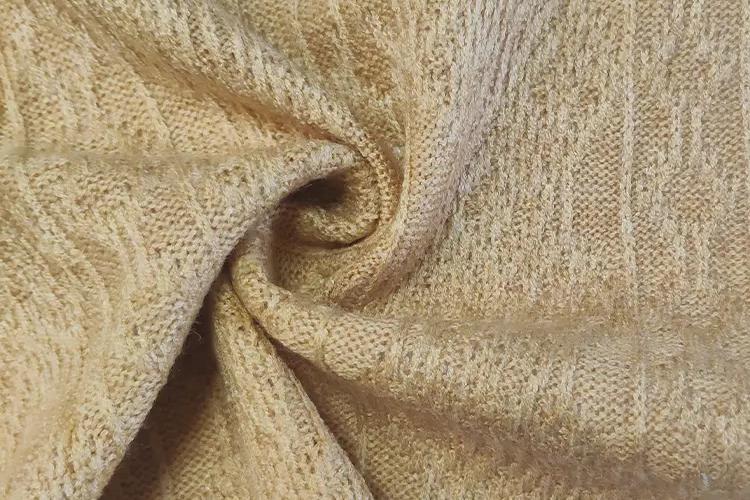
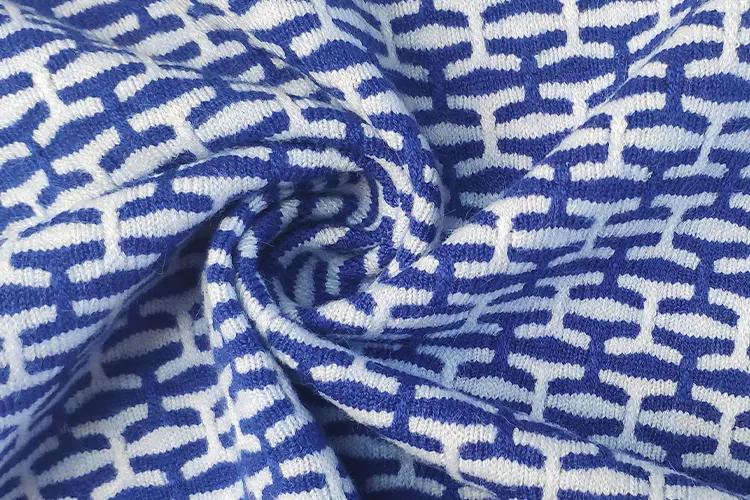
Jacquard knit fabric is a special type of textile made with a unique knitting technique. This method uses a Jacquard loom, which allows for complex patterns to be created directly in the fabric. Unlike regular knit fabrics, jacquard knit can show detailed designs that are part of the material, not just printed on top. These patterns stay in place even after many washes, making the fabric both beautiful and long-lasting.
- Jacquard knit fabric stands out because:
- It uses a special loom for intricate designs.
- The patterns are woven into the fabric, not just added later.
- The designs are permanent, which adds to the fabric’s durability and style.
This structure gives jacquard knit fabric a rich texture and a unique look. Many people choose jacquard knit for clothing and home décor because of its strength and visual appeal.
how jacquard knit stretches
Jacquard knit fabric stretches because of the way it is made. The knitting process creates loops in the yarn, which lets the fabric move and return to its shape. Some knitting techniques, like ribbing or special stretch stitches, make the fabric even more elastic. These methods are important for items that need to fit snugly, such as mattress covers or activewear.
The design of the jacquard knit also matters. When the fabric has a mix of solid and mesh areas, the yarns can move more easily under stress. This means the fabric can stretch and then bounce back without losing its shape. The direction of the stretch can change, too. Jacquard knit fabric often stretches more across the width than along the length. This is important to know when making or choosing clothes, as the fit can feel different depending on how the fabric is cut.
Tip: Always check the direction of stretch before sewing with jacquard knit. This helps make sure your project fits well and feels comfortable.
knit vs woven jacquard
Jacquard knit and woven jacquard are both known for their detailed patterns, but they behave differently. Woven jacquard is made by weaving threads over and under each other. This makes the fabric strong and helps it keep its shape. Woven jacquard is often used for items that need to last a long time, like upholstery or formal wear.
Jacquard knit, on the other hand, is lighter and more flexible. The knitted structure allows for more movement and breathability. This makes jacquard knit a popular choice for sportswear and everyday clothing. The texture of jacquard knit fabric also adds to its comfort and drape. It feels soft against the skin and moves easily with the body.
- Woven jacquard fabrics are strong and hold their patterns well.
- Jacquard knit fabrics are lightweight, breathable, and stretch easily, making them ideal for activewear.
The choice between jacquard knit and woven jacquard depends on what you need. If you want something sturdy and long-lasting, woven jacquard is a good pick. If you need comfort, stretch, and breathability, jacquard knit fabric is the better option.
Factors Affecting Jacquard Fabric Stretch
fiber content and blends
The type of fibers used in jacquard fabric plays a big role in how much it stretches. Cotton fibers feel soft and let the skin breathe, but they do not stretch much on their own. Polyester fibers add strength and help the fabric keep its shape. When spandex or elastane gets blended into jacquard, the fabric becomes much more flexible. Blends that include elastic fibers allow the material to move and return to its original form. The mix of fibers can change how the jacquard feels and how it fits.
knit construction and pattern
The way jacquard fabric is knitted also affects its stretch. Looser knits let the fabric move more, while tighter knits hold their shape better. Patterns with open spaces or mesh areas can stretch more than dense, solid designs. The direction of the knit matters too. Most jacquard knits stretch more across the width than along the length. When choosing jacquard for a project, look at the pattern and feel how much it stretches in different directions.
Tip: Test the stretch by gently pulling the fabric both ways before cutting or sewing.
elastic fibers (spandex, lycra, elastane)
Elastic fibers like spandex, lycra, or elastane make a big difference in jacquard fabric stretch. These fibers can stretch up to seven times their original length and snap back quickly. This helps clothes fit the body well and stay comfortable. Garments with more elastane keep their shape, resist wrinkling, and do not sag. As the amount of elastane increases, the fabric becomes even more flexible and returns to its shape after being stretched. This makes jacquard with elastic fibers a great choice for sportswear and fitted clothing.
how much does jacquard knit stretch
typical stretch range
Jacquard knit fabric can stretch a lot compared to other fabrics. The amount of stretch depends on how the fabric is made and the type of yarns used. Most jacquard knits show a stretch percentage between 20% and 60% along the bias direction. This means the fabric can become much wider or longer when pulled at an angle. The stretch can also happen in both the lengthwise and widthwise directions, but the exact amount may change based on the pattern and fiber blend.
- Jacquard knit fabrics often stretch:
- 20% to 60% along the bias (diagonal) direction
- 30% to 50% in both lengthwise and widthwise directions, depending on the yarn and construction
This wide range of stretch makes jacquard knits very useful for many types of clothing. The fabric can move with the body and return to its original shape after being stretched.
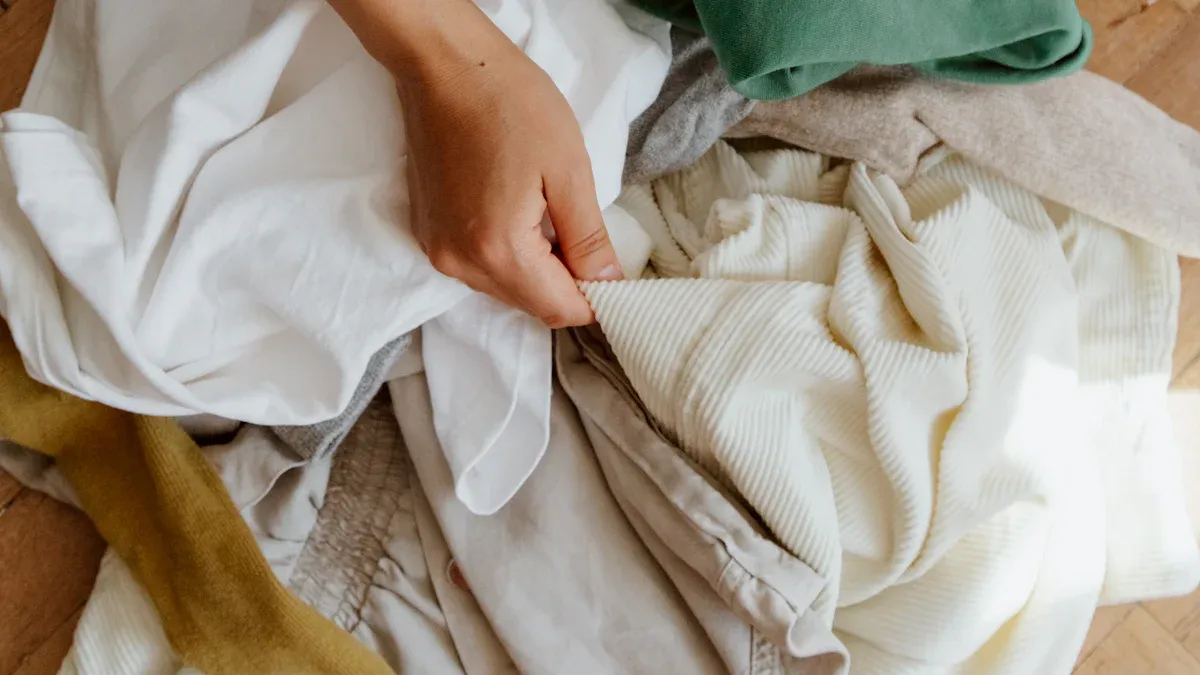
Note: Always test the stretch of your jacquard knit fabric before starting a sewing project. This helps you know how the finished item will fit.
fit and comfort examples
The stretchiness of jacquard knit fabric helps clothes fit better and feel more comfortable. Even with complex patterns, this fabric keeps its elastic properties. Special elastic yarns allow the fabric to stretch up to 30% to 50% in both directions. This means the fabric can hug the body’s curves without feeling tight or stiff.
Many designers use jacquard knit fabric for high-end underwear, sportswear, and close-fitting clothing. These garments need to move with the body and stay comfortable all day. The fabric’s ability to stretch and recover makes it a top choice for items that need both style and function.
People who wear jacquard knit clothing often notice that the fabric does not pinch or bind. It feels soft and flexible, making it easy to move and stay active. This is why jacquard knits are popular for both everyday wear and special outfits.
using and caring for jacquard knit
best uses for stretchy jacquard knit
Stretchy jacquard knit works well for many projects. People often choose it for activewear, leggings, and fitted dresses. The float in the design lets the material move with the body. Home décor items like cushion covers and throws also benefit from this stretch. If you want to make a stylish top or a cozy scarf, a float in the pattern adds both comfort and style. Many crafters look for a tutorial that shows how to use jacquard knit for hats or headbands. The float in these accessories helps them stay snug without feeling tight.
sewing tips for jacquard knit
Sewing with jacquard knit can be easy if you follow a few steps. Experts recommend these tips for best results:
- Use a zigzag stitch or a stretch stitch. These stitches let the float in the fabric stretch without breaking the thread.
- Pick a ballpoint or stretch needle. This helps prevent skipped stitches and protects the float from damage.
- Lay the material flat when cutting. This keeps the float from shifting and makes your pieces even.
- Try using tissue paper under the float for extra support.
- Finish seams with a zigzag stitch or an overlocker. This adds strength and keeps the float from fraying.
- Press seams with low heat and a pressing cloth to protect the float.
A good tutorial will show each step and help you avoid mistakes. Take your time and let the float guide your sewing.
care instructions to maintain stretch
Proper care keeps your jacquard knit looking and feeling great. Follow these steps to protect the float and stretch:
- Fold the float neatly and store it in a cool, dry place.
- Handle the float gently. Avoid pulling or stretching when cleaning.
- Use a soft cloth for spot cleaning the float.
- Keep the float away from high heat and humidity.
- Try a fabric protector made for knits to guard against stains and damage.
A simple care tutorial can help you remember these steps. With the right care, the float in your jacquard knit will last a long time.
Jacquard knit fabric is known for being stretchy and comfortable. It is also strong and lasts a long time. Here are some important things to remember:
- The special patterns make the fabric look cool and interesting.
- You can use it for clothes or things in your house.
- Taking care of it, like washing by hand and drying flat, keeps it in good shape.
| Factor | Why It Matters |
|---|---|
| Stretch Percentage | Helps you move easily and feel comfy |
| Fiber Blend | Changes how stretchy and soft the fabric feels |
| Weight and Thickness | Helps you pick the right fabric for your project |
Pick jacquard knit that works best for what you want to make. This will help your project turn out well.
FAQ
What makes jacquard knit fabric different from regular knit fabric?
Jacquard knit fabric has patterns built into the material. Regular knit fabric usually has a plain look. The special loom for jacquard creates designs that do not fade or wash away.
Can jacquard knit fabric be used for sportswear?
Yes, jacquard knit fabric works well for sportswear. The stretch and breathability help the fabric move with the body. Many athletes choose it for comfort and style.
How do I prevent jacquard knit fabric from losing its stretch?
Wash jacquard knit fabric in cold water. Lay it flat to dry. Avoid high heat and strong detergents. These steps help the fabric keep its stretch and shape.
Is jacquard knit fabric good for colorwork knitting projects?
Jacquard knit fabric is a great choice for colorwork knitting. The patterns stay clear and bright. The fabric holds color well and does not bleed during washing.
Does jacquard knit fabric shrink after washing?
Jacquard knit fabric may shrink a little after the first wash. To avoid surprises, wash and dry the fabric before sewing. This helps keep your finished project the right size.